

What a Morning in the Fields Taught Me About Human Nature and Life
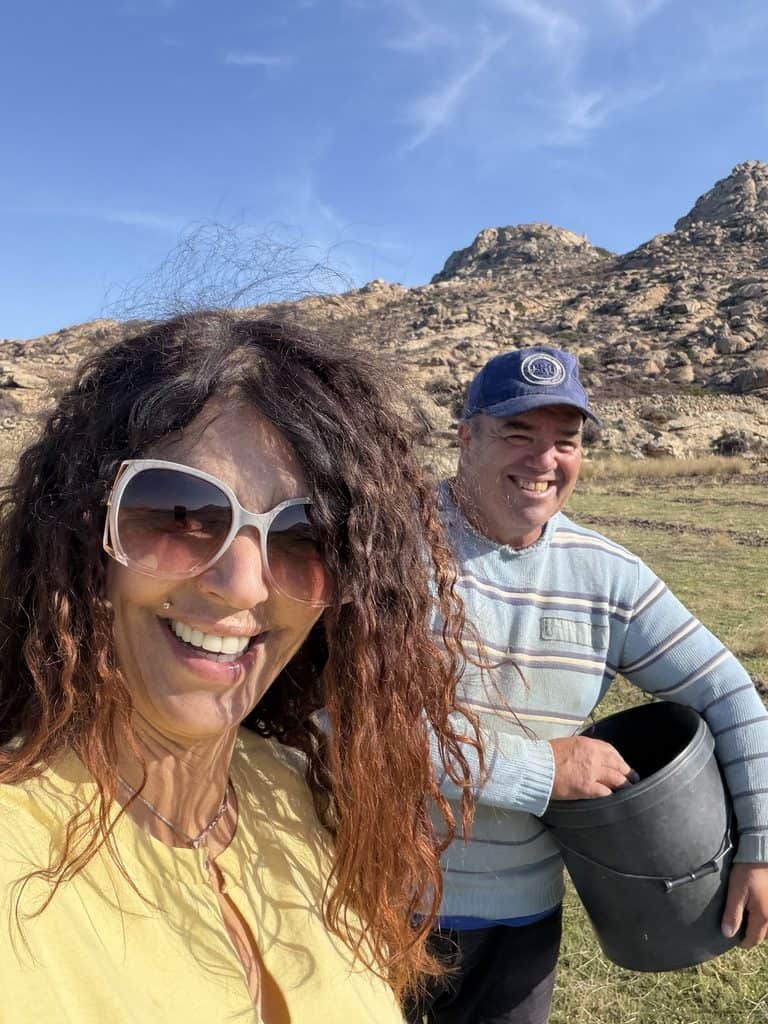
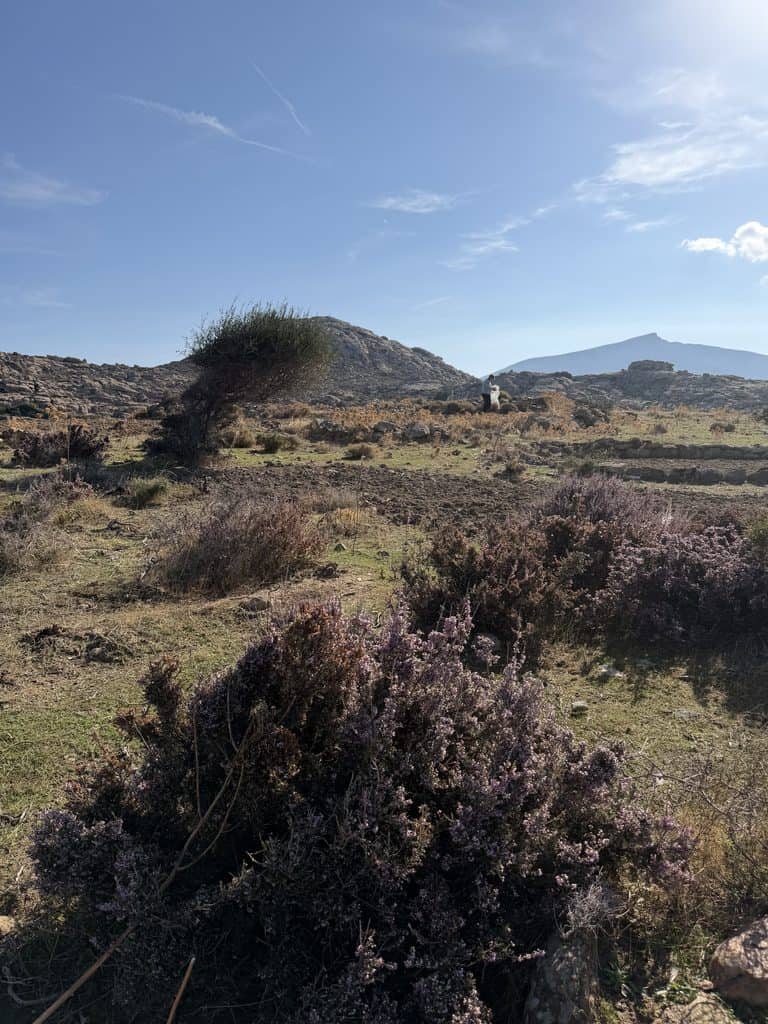
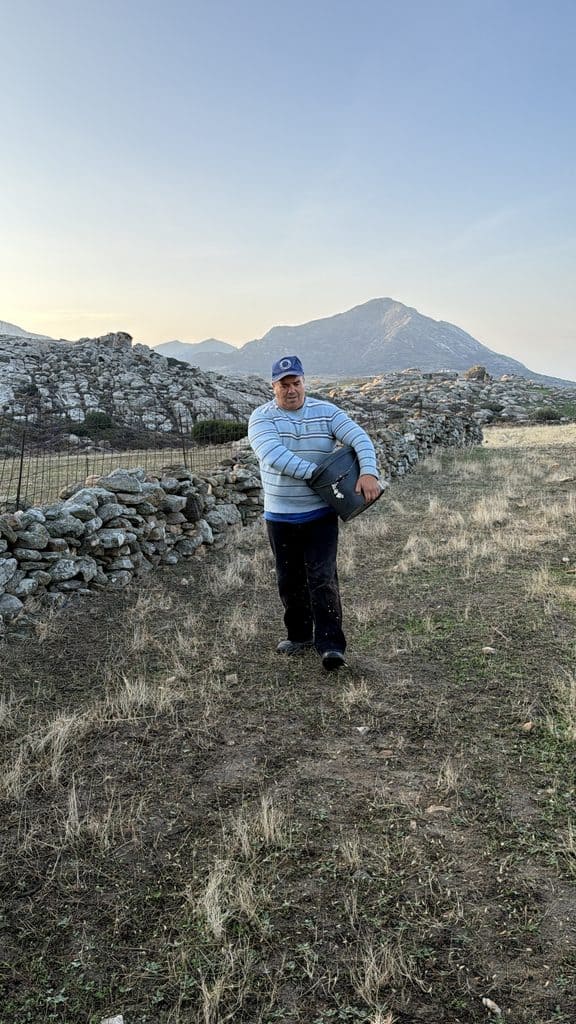
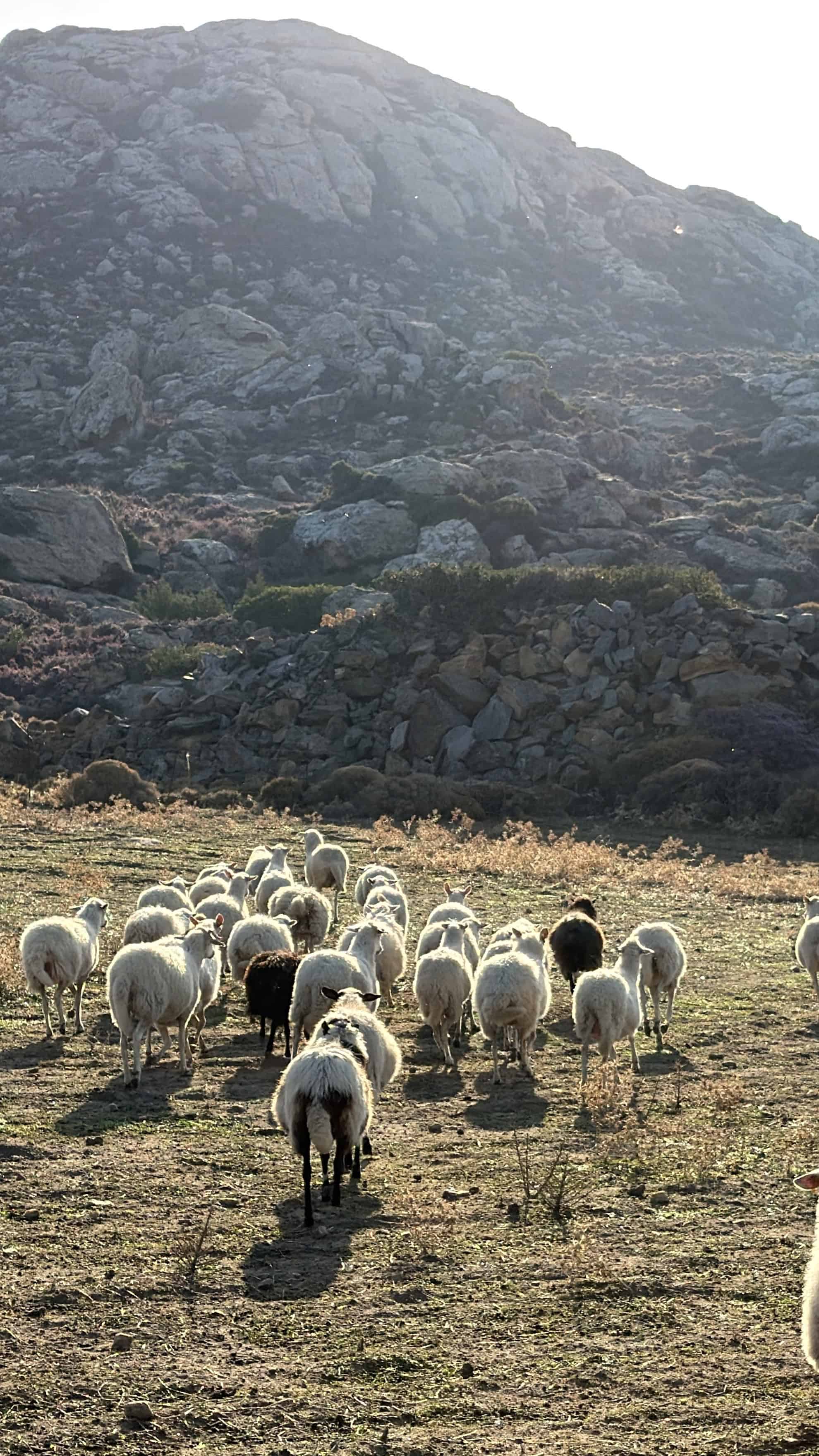
Today, at six in the morning, I went to the fields with my brother to sow wheat.
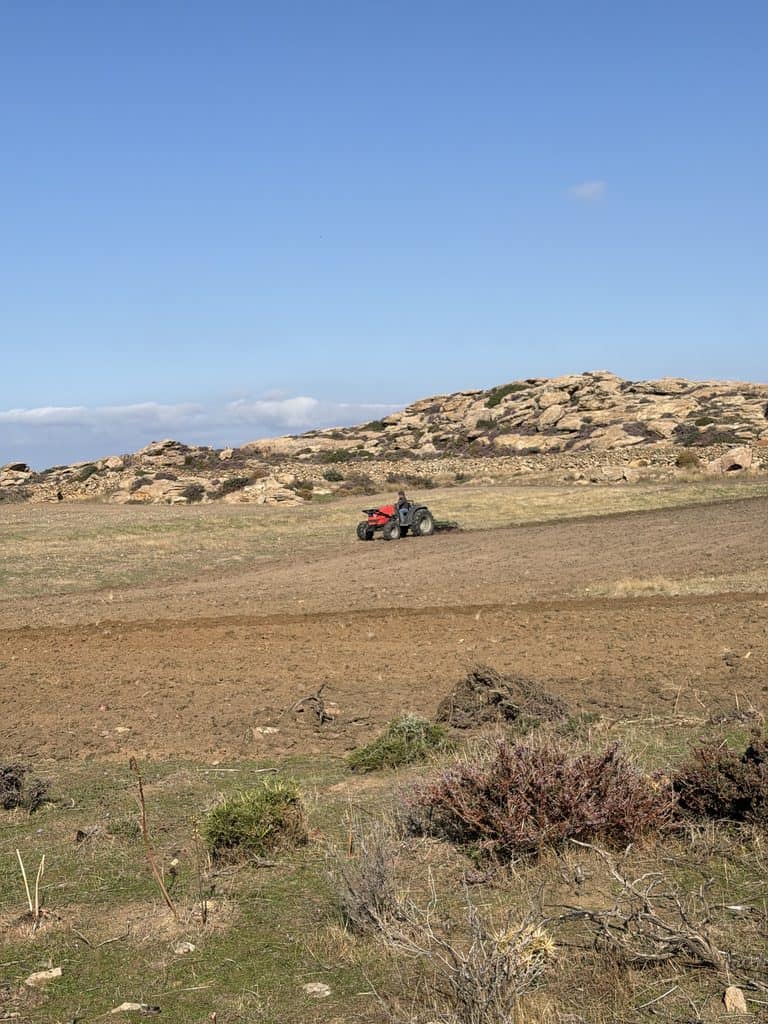
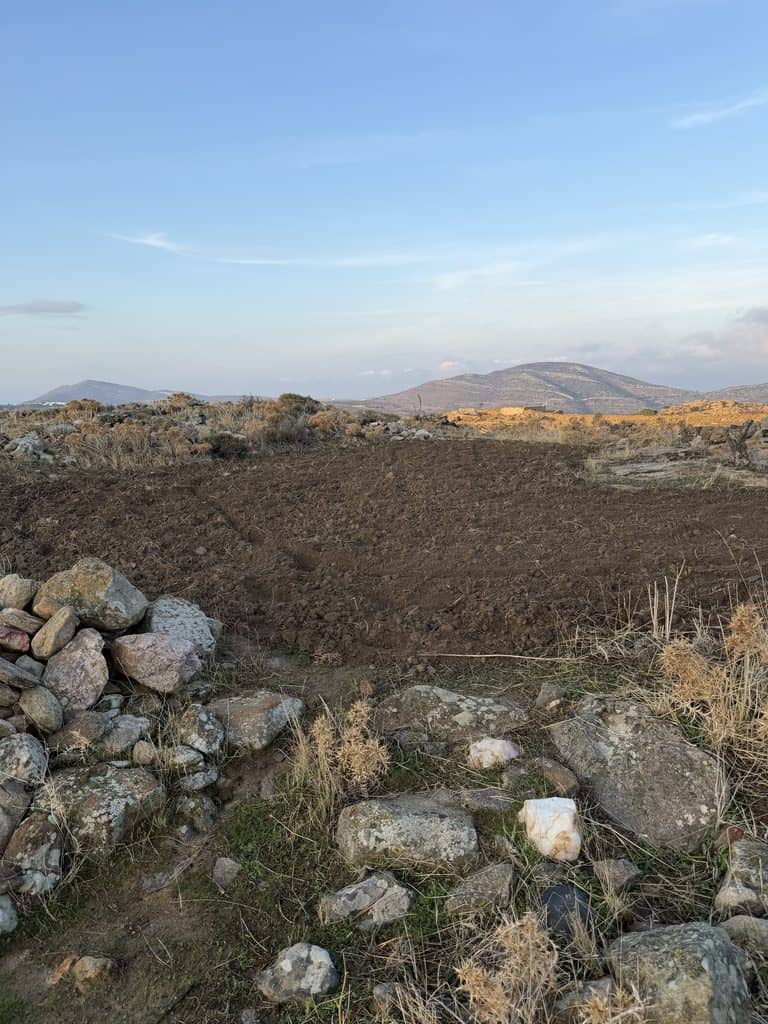
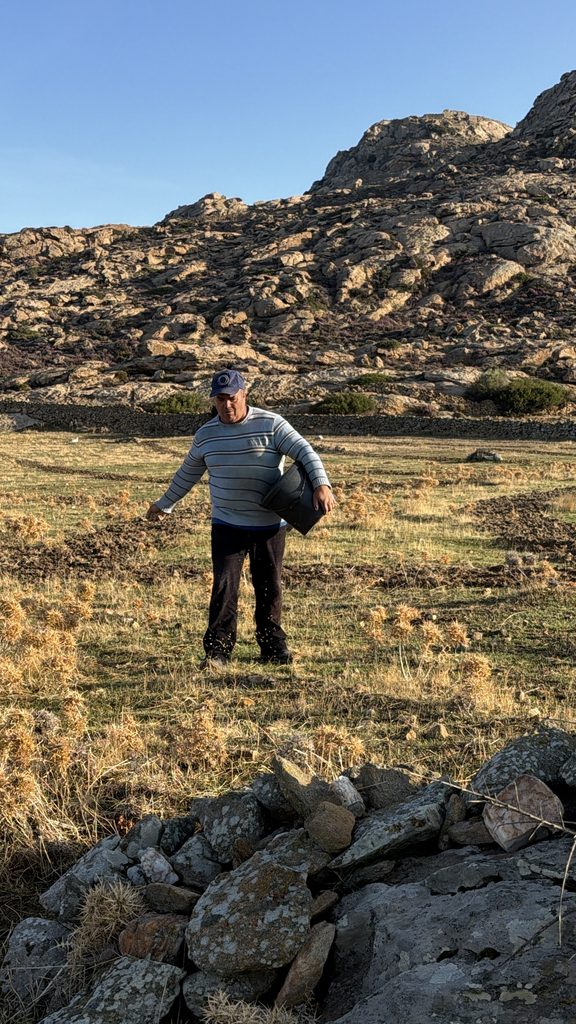
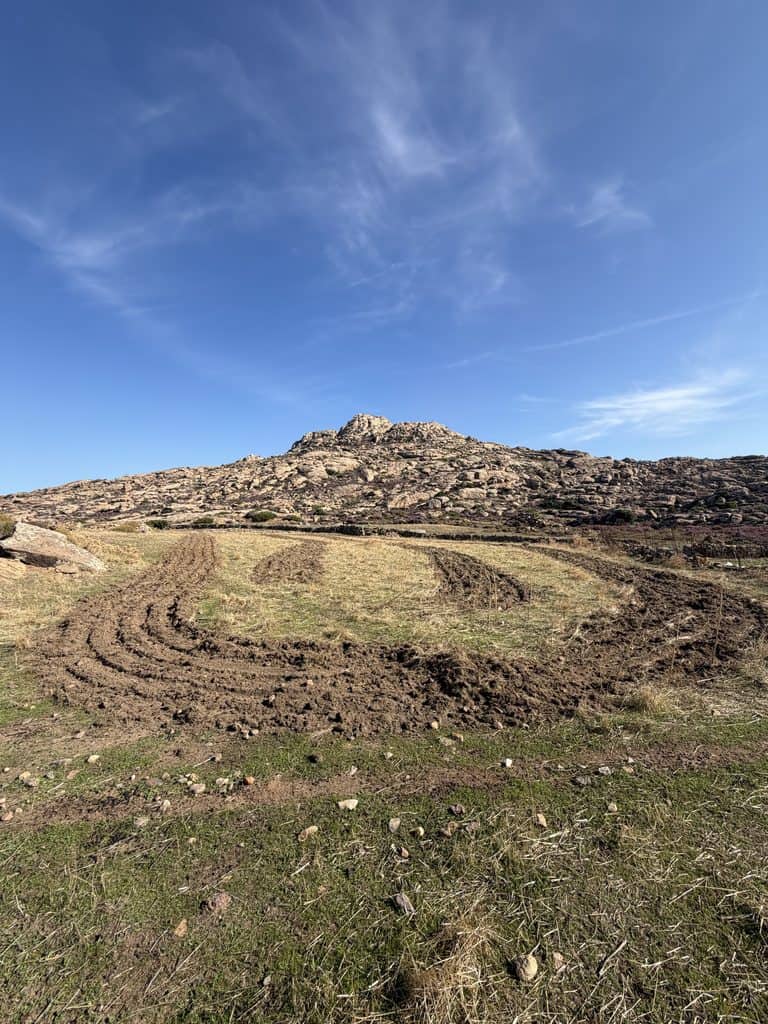
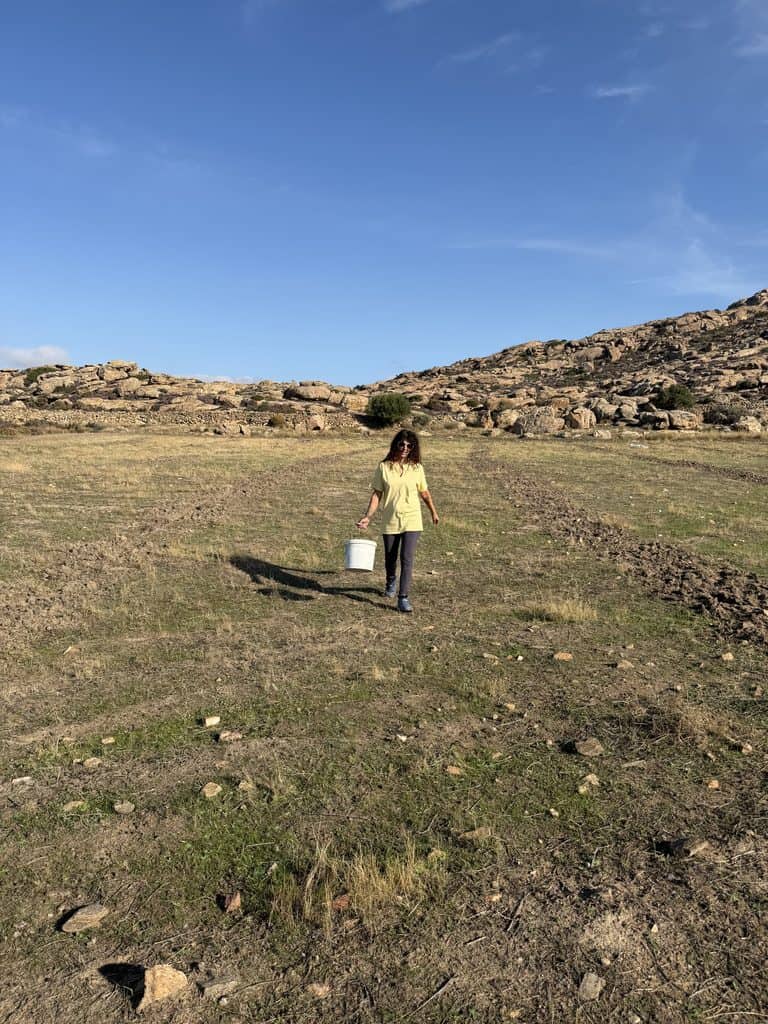
The day was just beginning. Stelios had already prepared the ground. He had cut the furrows, divided the field into twenty sections, known locally as chorismata, and marked the rows where the seeds would be sown. I scattered the wheat seeds along the prepared rows, while he sowed between them, covering the remaining ground. Behind us, my brother-in-law followed with the tractor, ploughing the land and covering the seeds with soil.
Stelios and I spent four hours sowing. The ploughing that followed took at least another three hours. It was a full morning of work, with each of us responsible for a different part of the process, all working towards the same result.
As my hands scattered the seeds across the earth, my thoughts wandered. I spoke with my brother about sowing, the soil, the rain and everything that must happen before the harvest. Somewhere between the rows of the field, however, my thoughts moved beyond agriculture.
I began thinking about how much nature can teach us, provided we are willing to observe it. How much knowledge is passed from one generation to the next without ever being written in a book. How much experience is hidden in an everyday task that might seem simple to someone who has never done it.
And I wondered how closely cultivating the land resembles cultivating ourselves.
Before the Seed Comes Preparation
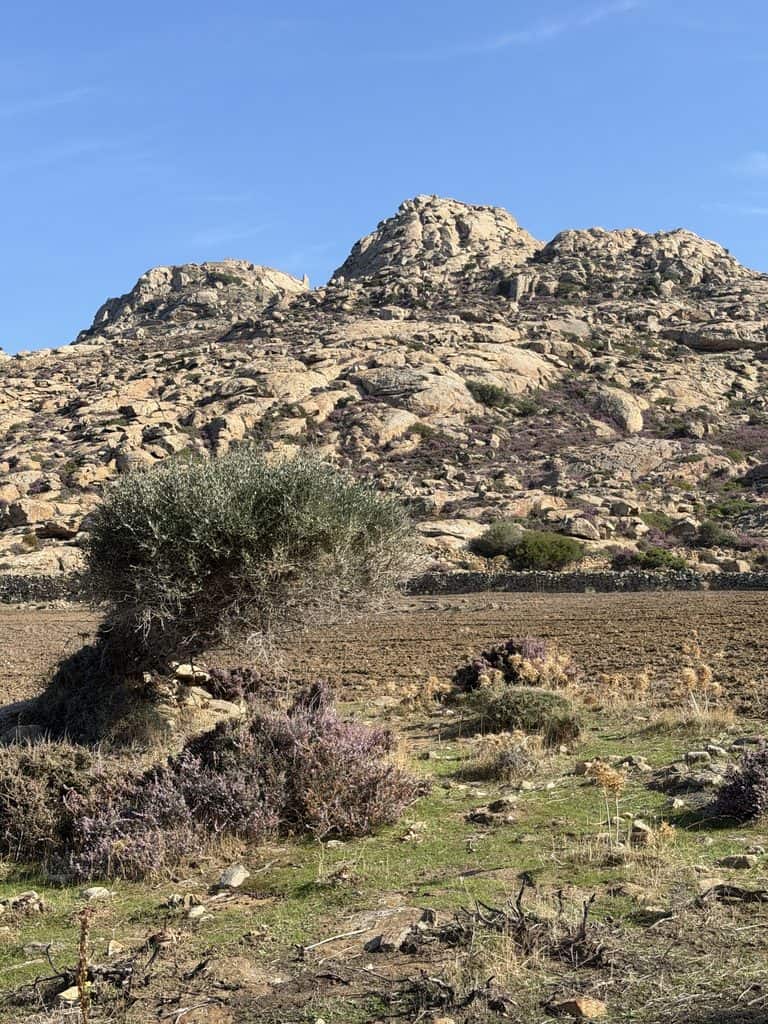
On Naxos, the months of summer drought leave the earth thirsty. The soil hardens and needs water before it can receive the seed.
The first heavy rainfall helps soften the dry ground. Gentler rains that follow help maintain the moisture the soil needs. When the time is right, the farmer must prepare the land, sow the seeds and plough the field so that the seeds are covered and can begin to grow.
From that moment, a process begins that cannot yet be seen. The seeds lie beneath the soil, and no one can tell what is happening below the surface. If conditions are right, they will germinate, take root and gradually develop. Over the following months, the field may transform into a stretch of wheat, ready to be harvested or used to feed animals.
None of this happens in a single step. It takes preparation, the right timing, care and patience.
Standing there in the field, I thought about how often we try to skip these stages in our own lives. We want results immediately. We want to speak and be understood, to make an effort and be rewarded, to give something and see its fruits straight away.
Nature, however, follows its own rhythms.
You cannot demand that the earth produce a harvest simply because you are in a hurry. The right conditions must first be created.
And that made me wonder: how often do we expect ourselves or others to change, mature and move forward without the necessary preparation?
Offering a Seed Is Not Enough
Every day, we encounter seeds of knowledge. Through conversations, experiences, failures, relationships and encounters with other people, we come across ideas that can change the way we understand the world.
Some words stay with us for years. Others make us reconsider what we once took for granted. And some, despite their value, are rejected before we have even taken the time to consider them.
Why does this happen?
I do not believe it is always a question of knowledge or intelligence. Often, it comes down to how willing we are to hear something that challenges what we believe about ourselves.
One person may hear a different point of view and wonder whether there is something they have not yet understood. They may acknowledge a mistake, consider a new perspective and change their position.
Another may react defensively, become angry or focus on the shortcomings of the person speaking, avoiding the substance of what is being said.
This does not mean that everyone who disagrees with us is narrow-minded, or that every piece of advice is right. Some words do not deserve our acceptance, and some opinions need to be questioned. The real difference lies elsewhere: in whether we are willing to think before rejecting, to examine before deciding and to acknowledge that we may not have the whole truth.
It is not enough to encounter a valuable seed. We must be willing to give it room to take root.
This is one of the hardest lessons in human life. We cannot force someone to understand something they are not ready or willing to consider. We can share what we know, explain our thinking and offer a different example. But we cannot make the inner journey that belongs to someone else.
Sometimes, a seed needs time. Other times, a person may never accept it. As difficult as that may be to acknowledge, this is part of human freedom.
Perhaps we need to learn not only how to share what we know, but also when to stop trying to persuade. There is a difference between sharing what we believe to be true and demanding that someone else accept it.
When the Soil Hardens
Just as the soil hardens after months of drought, people can harden through their experiences.
Disappointments, injustices, losses and unfulfilled expectations can build defences within us. We learn to protect ourselves, to trust less easily and to guard what we consider precious.
And it is human to want to protect ourselves. The question is when that protection stops helping us and begins to limit us.
When does caution become suspicion? When does confidence turn into arrogance? When does our need to be right become so strong that we leave no room for the possibility that we might be wrong?
It is not always easy to soften what has hardened within us. It takes time, self-awareness and the courage to face things we would rather avoid.
It might be a difficult conversation, an experience that forces us to reconsider our attitude, or a moment when we realise that the image we have of ourselves does not entirely match our actions.
These moments are not necessarily pleasant. Yet they can become the beginning of meaningful change.
We do not need to agree with everyone or accept every opinion. But we do need to preserve our ability to listen, think critically and reconsider.
Because if we close every door to avoid being hurt, we risk closing the doors through which something good might have entered.
The difficult thing is not to remain unchanged forever. It is to recognize when change is necessary without feeling that we are losing ourselves.
What We Cannot See May Already Be Growing
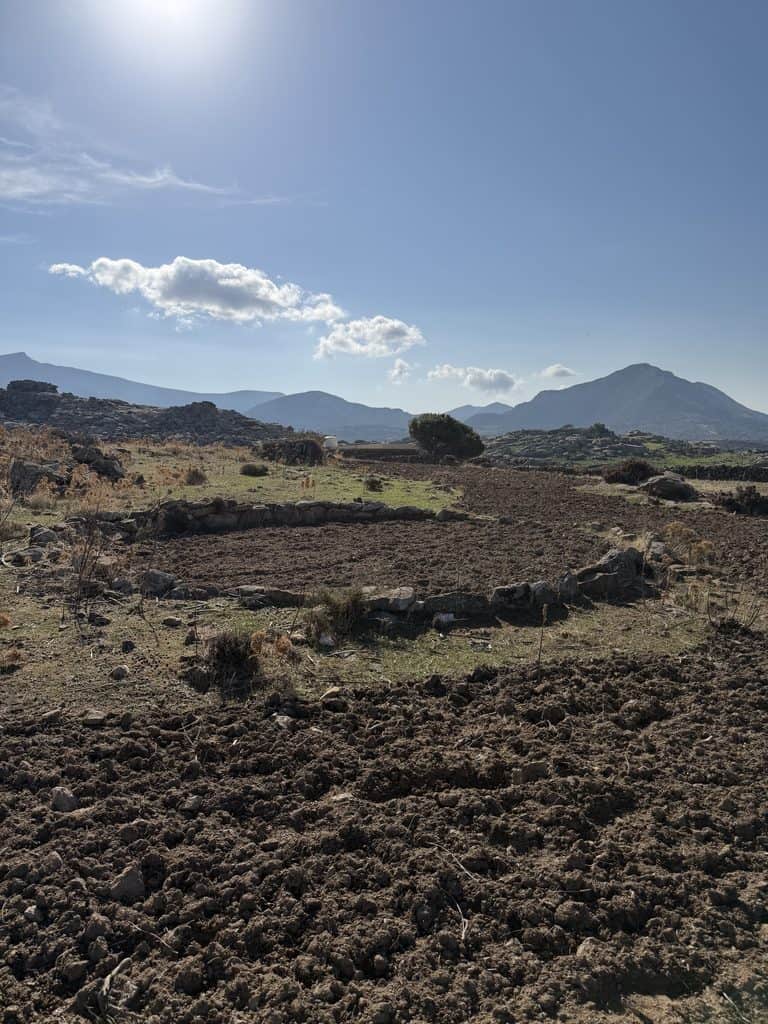
Immediately after sowing, the field looks much the same. The seeds are covered with soil. Anyone passing by would see a ploughed field, not the wheat waiting to emerge.
And yet, the work has been done.
This image made me think about how easily we judge people and their efforts by what is visible.
We see someone who has not yet achieved a goal and are quick to conclude that they have failed. We see someone who is not moving at our pace and assume they are not trying. But we do not know what is happening within them, what they are struggling to overcome, what they are learning or how much work they have already done without anyone noticing.
This does not mean every delay conceals a success waiting to happen. Nor does every effort guarantee a reward. It means that we do not always have enough information to judge someone’s journey by a single moment.
There are periods when we must work without seeing immediate results. We learn, make corrections, begin again and persevere, even when we have no guarantee of how the journey will end.
The same is true of ideas, relationships and the things we want to create. They cannot simply look beautiful on the surface. They need foundations, care and time.
Sometimes, the most important stage is the one no one sees.
Perhaps this is something we need to remember when judging others, but also when judging ourselves. We are not only what we appear to be today. We are also what we are trying to build, what we are struggling to change and what has not yet found its way to bloom.
What Are We Cultivating Within Ourselves?
Sowing led me to another thought: every day, we cultivate something within ourselves, whether we realise it or not.
We do so through the thoughts we repeat, the words we choose, the way we treat people and the habits we allow to shape our lives.
If we constantly feed our anger, we may begin to see more reasons for conflict. If we treat every different opinion as an attack, we make it harder to learn from others. If, on the other hand, we cultivate curiosity, self-reflection and respect, we create more opportunities to understand ourselves and the world around us.
This does not mean we can control everything. Just as the farmer depends partly on the weather, we are affected by circumstances we did not choose and cannot change on our own.
We can, however, take responsibility for our part. We can decide which qualities we want to strengthen and which behaviors we need to change. We can stop seeing ourselves as finished and unchanging, and recognize that we are still learning.
And there is an important distinction here: it is not enough to ask others to change. We must also be willing to examine our own attitudes. We cannot control what others cultivate within themselves, but we can ask what we are cultivating through our own choices.
For me, this is the essence of cultivation: never stopping the work we do on ourselves, even when we believe we have already understood enough.
The Seed We Leave Behind
Sowing is not only about the seeds we receive. It is also about the seeds we leave behind.
Every action, every word, every choice and every way we treat others can become a small seed. It can plant trust or suspicion, courage or fear, knowledge or ignorance. It can give someone the encouragement to move forward or make them doubt themselves.
We do not always know what will become of the seeds we sow. We cannot control how others receive them, when they might begin to grow or whether they will bear fruit. But we can choose what we sow.
Perhaps this is one of our greatest responsibilities: understanding that our presence in the world is not limited to what we achieve for ourselves. It also includes what we leave with the people we meet, the community in which we live and the place that shaped us.
I thought about this as I worked alongside my brother. Each of us had a different task, yet the outcome depended on our cooperation. One prepared the ground, another scattered the seed, and behind us the tractor covered the earth. None of us could have completed the entire process alone.
Life often works in the same way. What someone else prepared may become the ground on which we are able to move forward. And what we do today may become the beginning of something that will only be completed much later, perhaps by people we will never meet.
This also requires us to accept something important: we will not always be the ones who see the fruits of our efforts. We may share knowledge that is put to use years later. We may help someone see a different possibility without ever knowing whether that encounter changed their life.
The value of a seed does not depend entirely on whether we live to see its harvest.
By the end of our work, the seeds had been sown and the ploughing had been completed. We had done what was ours to do. Now we would wait for the rain, for time and for the conditions that would allow the earth to bring forth new life.
As I left the field, however, I was thinking about something that had little to do with wheat alone.
How many seeds has each of us encountered in life, and how many have we allowed to go to waste because we were unwilling to open our minds and hearts?
How many truths have we rejected because they made us uncomfortable? How many opportunities to change have we lost because we believed we already knew enough? And how often have we waited for circumstances, people and the world around us to change without asking whether we had prepared the ground within ourselves?
We cannot control every rain that falls in our lives. We cannot decide the weather or demand that every seed bear fruit. But we can care for our own soil. We can refuse to let disappointment turn it to stone, certainty make it rigid, or pride prevent anything new from teaching us something.
Because the greatest loss is not when a seed falls and fails to grow. It is when a valuable seed passes through our lives and we never give it the chance to take root.
The earth teaches us that a harvest requires preparation, care and time. Life asks us to do the same with ourselves: to learn, to question, to reconsider and to remain open to what can help us grow.
In the end, what matters is not only what we have sown in our lives. It is also what we have allowed to grow within us.
And perhaps, before asking why our lives are not bearing the fruit we hoped for, we should first look within and ask ourselves the most difficult question of all:
Have we truly prepared the soil to receive the seed we hope will change our lives?