


Where Is Naxos Island, Greece
Naxos lies in the heart of the Cyclades, at the center of the Aegean Sea. As the largest island of the Cycladic group, it occupies a strategic position that makes it easy to reach from many neighboring islands.
What makes Naxos truly unique is its remarkable diversity. It is the only Cycladic island where rugged alpine peaks rise above lush fertile valleys, creating landscapes rarely seen elsewhere in the region.
Rich in history, agriculture, and cultural heritage, Naxos combines ancient monuments, traditional villages, and natural beauty into one of the most distinctive destinations in the Aegean.
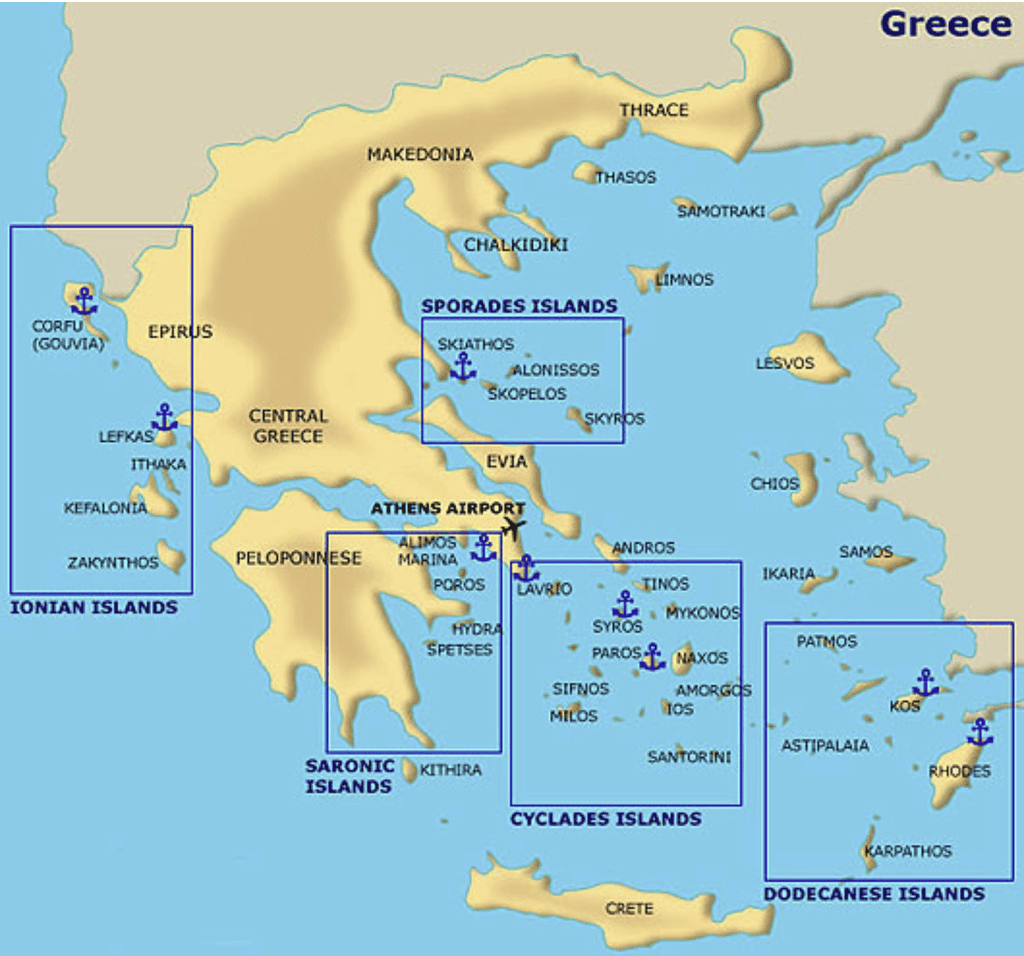
How big is Naxos? How long does it take to drive around the island?
Naxos has a population of nearly 22,000 residents and covers an area of about 430 km² (170 sq mi). This makes it the largest island in the Cyclades—about 7.5 times the size of Manhattan, roughly the size of Barbados, and about one third the size of Kauai in Hawaii.
Naxos is more than five times larger than Santorini and Mykonos, and over twice the size of Paros and Milos.
The island stretches about 40 km in length and reaches 30 km at its widest point. Thanks to its well-connected roads, you can drive from one end of Naxos to the other in about two hours.
What Is Naxos Known For?
Some of the highlights that define Naxos include:
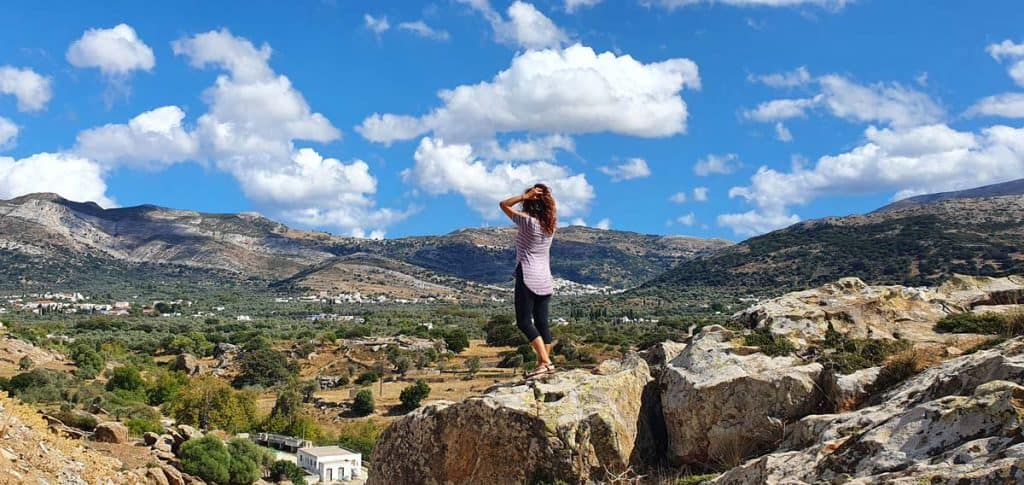
• The Portara, the iconic marble gateway of the Temple of Apollo and symbol of the island
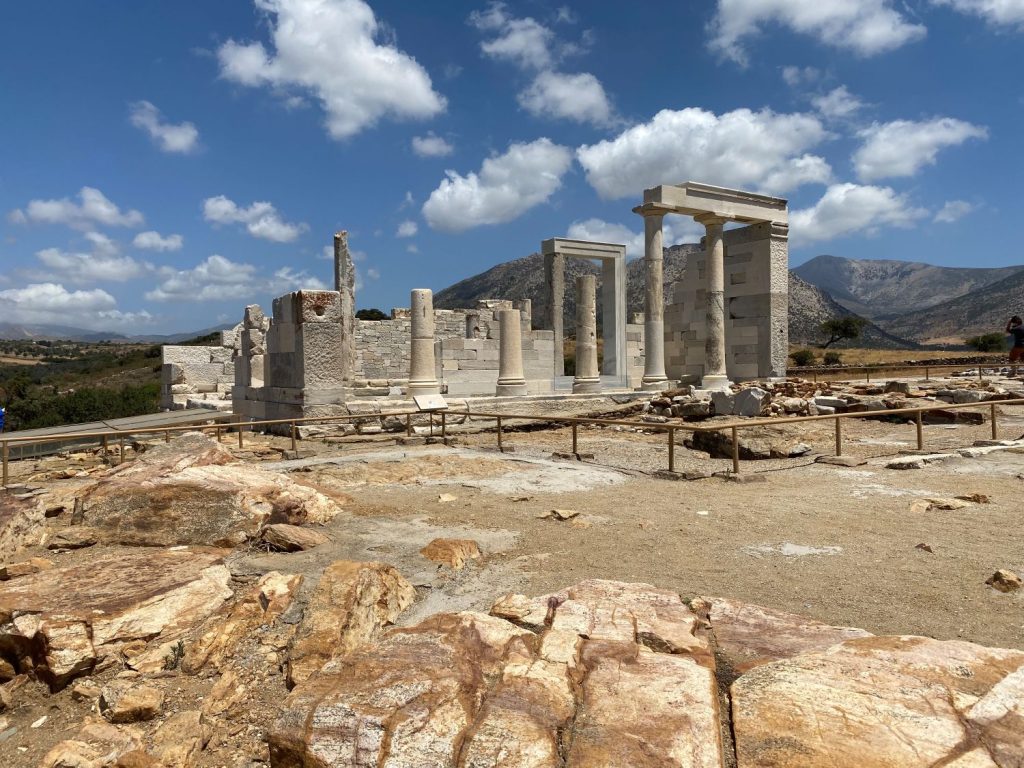
• The Temple of Demeter, one of the most important ancient sanctuaries in the Cyclades
• Marble quarries, producing the famous white crystalline marble used since antiquity
• Mount Zas, the highest peak in the Cyclades at 1004 meters
• Kouros statues, monumental ancient marble sculptures found across the island
• Numerous Byzantine churches, some among the oldest in the Balkans
• Green valleys and natural freshwater springs, rare among Cycladic islands
Naxos is also renowned for its gastronomy and agricultural richness:
• PDO Kitron liqueur, the island’s traditional citrus spirit
• Naxian potatoes, famous throughout Greece
• Local cheeses, including Arseniko and Anthotiro
• High-quality meats and traditional farm products
Visitors also come to Naxos for its natural landscapes and outdoor experiences:
• Long golden sandy beaches with crystal-clear waters
• Excellent windsurfing and kitesurfing conditions at Mikri Vigla and Laguna
• Traditional villages, local crafts, and handloom-woven textiles
Mythology of Naxos
Naxos holds a special place in Greek mythology and has long been associated with gods, legends, and ancient stories that shaped the identity of the island.
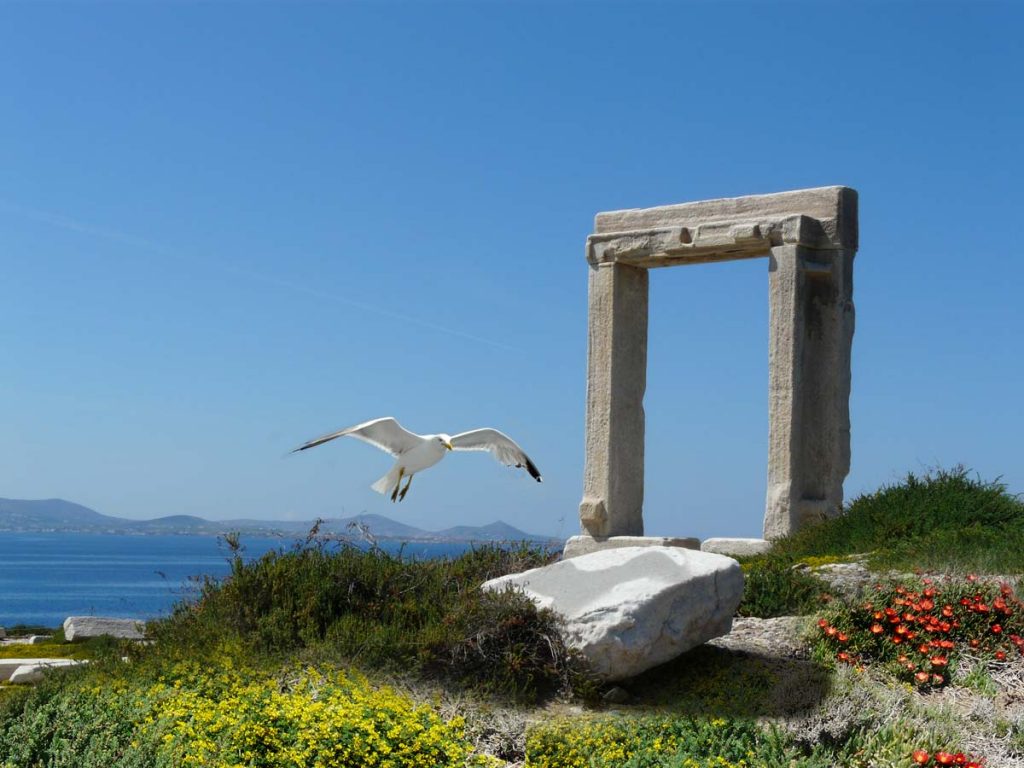
According to mythology, Mount Zas, the highest peak in the Cyclades, is where Zeus, the king of the Olympian gods, once found refuge as a child. The cave near its summit is still known today as the Cave of Zeus.
Another famous legend tells the story of Ariadne and Theseus. After helping Theseus defeat the Minotaur in Crete, Ariadne traveled with him toward Athens. During their journey, Theseus abandoned her on the island of Naxos. According to the myth, Dionysus, the god of wine and celebration, discovered Ariadne on the island and made her his wife.
Near the entrance of Naxos Town stands the Portara, the monumental marble gate of the ancient Temple of Apollo. Today it remains the most recognizable symbol of the island and a reminder of Naxos’ deep connection to its ancient past and mythology.
These stories have been woven into the cultural memory of Naxos for centuries and continue to inspire local traditions, festivals, and artistic works—including Richard Strauss’s opera Ariadne auf Naxos.
From the highlands of Naxos, where ELaiolithos is located, the legendary Mount Zas rises across the landscape—reminding visitors that the myths of the island are never far from view.
How Many Villages Are There in Naxos?
Naxos is a large island, and exploring it is best done by car. Renting a vehicle allows you to discover the island’s mainland, mountain landscapes, traditional villages, secluded beaches, and scenic viewpoints across the Cyclades.
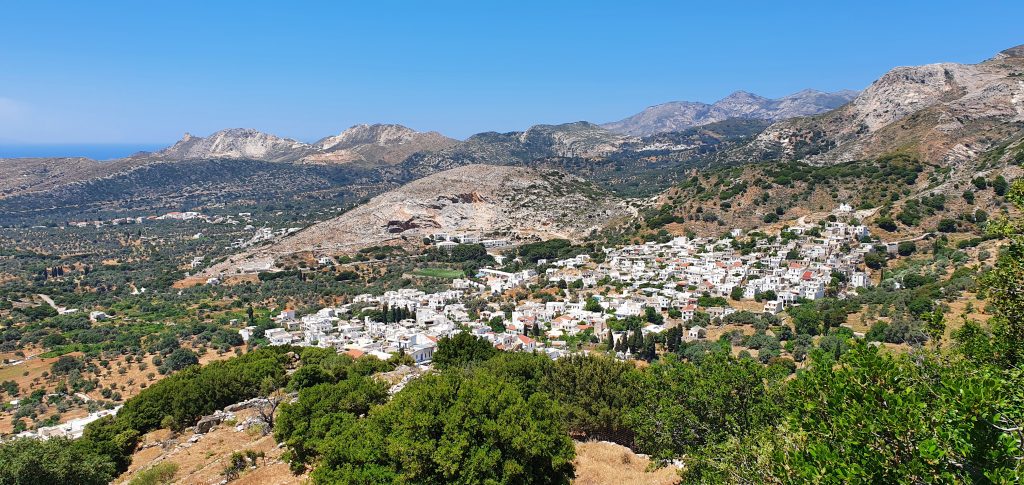
In total, Naxos has 41 villages, 30 of which are inhabited today and welcome visitors throughout the year. Most of them are located away from the coast, preserving a way of life deeply connected to tradition, agriculture, and local culture.
Each village has its own character—some well known, others quietly hidden in the mountains—but all offer authentic local life, beautiful scenery, and traditional cuisine.
One of the most remote villages sits at about 700 meters above sea level, perched along the ridges of the island’s northern mountains, where small communities continue to keep local traditions alive.
Can You Drink the Water in Naxos?
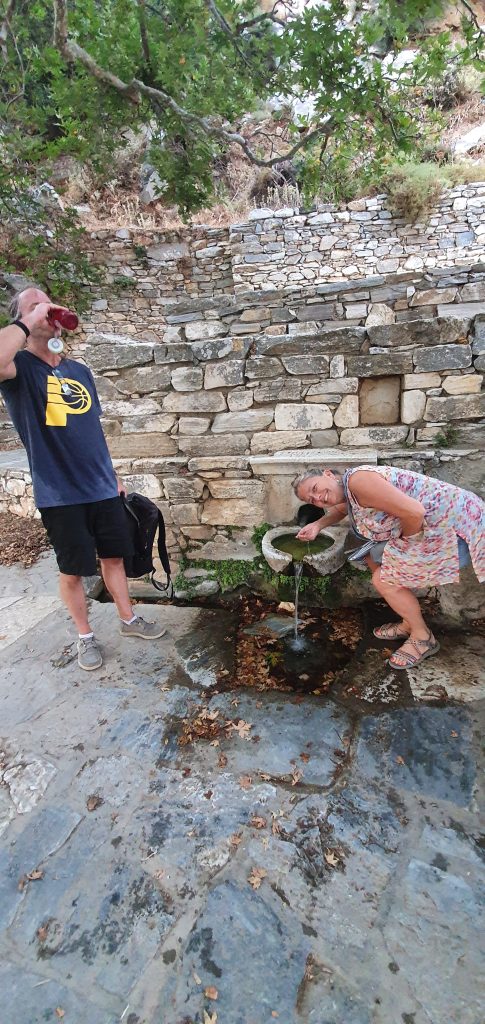
In many mountain villages of Naxos, tap water is drinkable. Most villages are supplied by nearby natural springs from the surrounding mountains, providing fresh and good-quality water for local use.
In Naxos Town (Chora) and surrounding coastal areas, tap water is generally not recommended for drinking. Visitors usually rely on bottled water.
However, the municipality has installed several public drinking fountains around Naxos Town. These small marble fountains provide fresh water suitable for drinking and are commonly used by locals.
Tap water throughout the island is perfectly suitable for bathing, washing, and brushing your teeth.
The Great Outdoors: From Zeus to the Sea
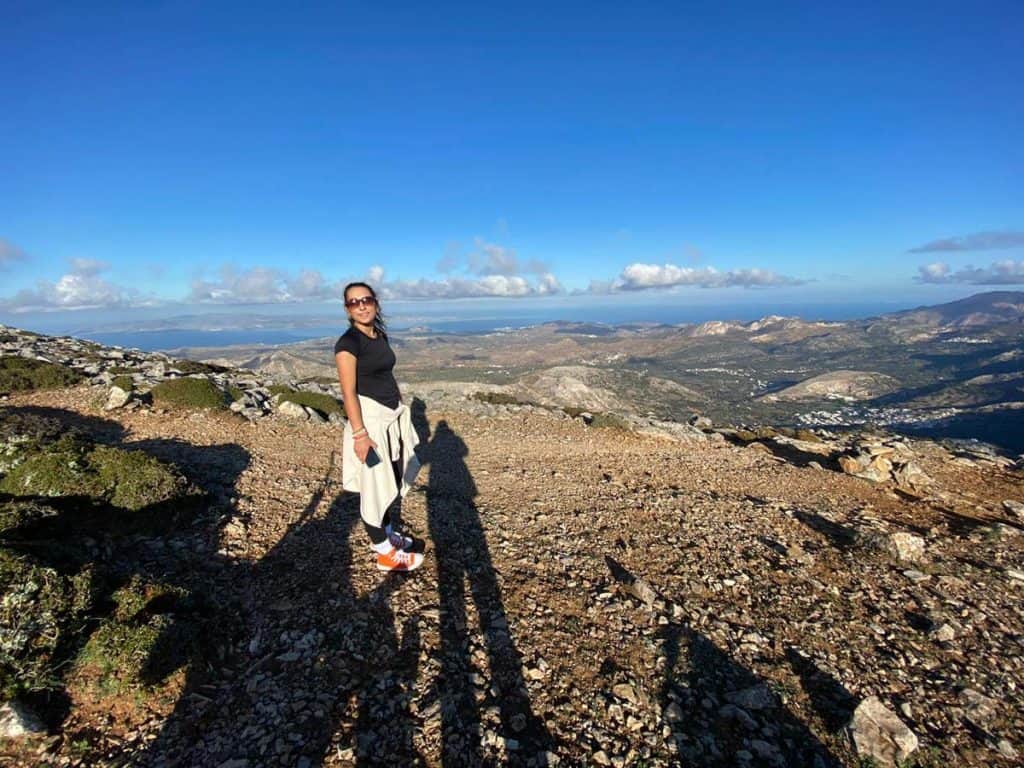
Naxos is a playground for the soul, offering a natural geography found nowhere else in the Aegean.
-
The Peaks of Mythology: Scale Mount Zeus, the highest point in the Cyclades, or explore the caves and ravines that shaped ancient legends.
-
The Hiker’s Paradise: Wander through an extensive network of ancient paths, trek through eternal olive groves, or find serenity in the hidden springs and streams of the central plateaus.
-
Active Adventures: From mountain biking through rugged landscapes to world-class windsurfing, kitesurfing, and kayaking along the cedar-lined dunes of the coast.
-
Celestial Evenings: Experience the raw power of the mountain night sky with stargazing that feels close enough to touch.
A Journey Through Time & Tradition
While the coast is for visiting, the highlands are for living. Step into the “Aegean’s Byzantine Mystras” and witness the island’s living history.
-
Byzantine Wonders: Discover the Drymalia Valley, home to ancient churches and sacred frescoes that breathe with centuries of devotion.
-
Mountain Villages: Explore a plethora of picturesque villages like Halki, Filoti, and Apeiranthos—where life moves to the rhythm of local tradition, not the tourist clock.
-
Ancient Artistry: Visit the women still practicing the traditional hand-loom, weaving textiles that carry the patterns of generations.
-
The Land of Stone: View the vast marble quarries and imposing emery mines—the tectonic soul of Naxos that built the ancient world.

Where to Eat in Naxos
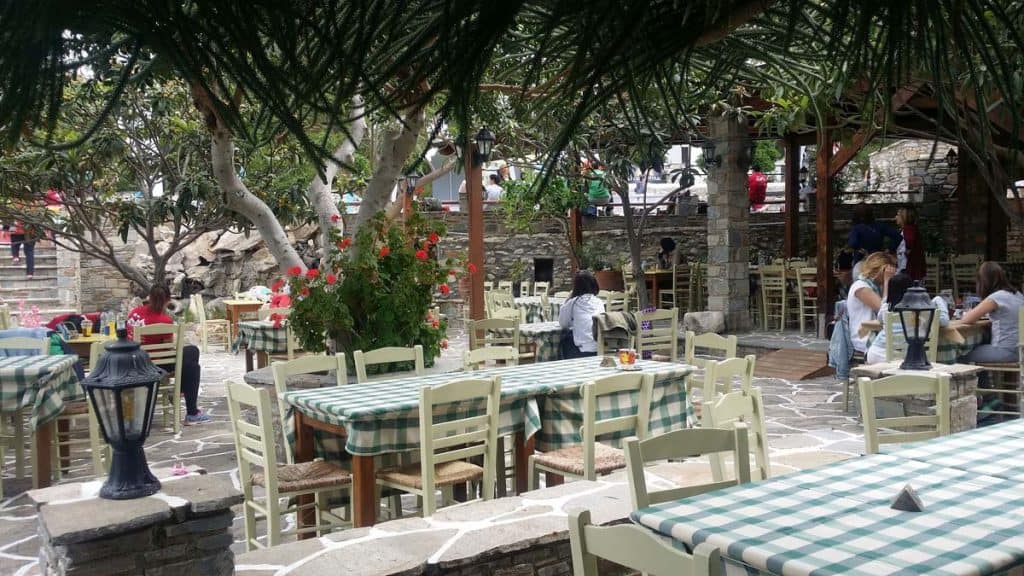
To truly experience the gastronomy of Naxos, explore the island’s villages. Away from the crowded tourist areas, the mainland and highlands host traditional tavernas where dishes are prepared with ingredients grown or produced nearby—vegetables from local gardens, cheeses from village dairies, and meats such as goat, lamb, pork, and chicken raised in the surrounding hills.
Dining in the villages offers travelers the chance to taste the true character of Naxian cuisine, where recipes, flavors, and hospitality remain closely connected to the land and the island’s traditions.
Thanks to its central location in the heart of the island, ELaiolithos offers easy access to many of these traditional village tavernas.
Nature and Ecotourism in Naxos
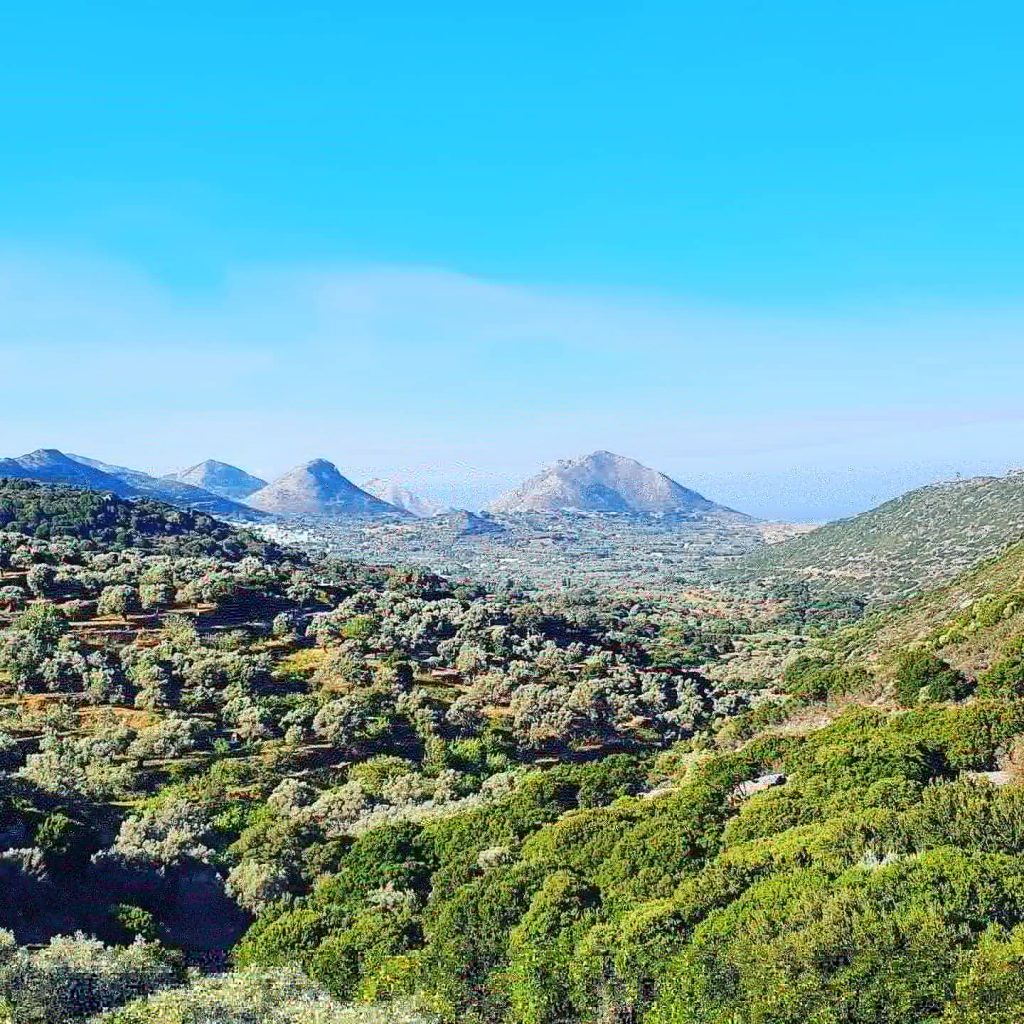
Unlike many Cycladic islands known for dry landscapes, Naxos is shaped by a unique natural geography. High mountains, fertile valleys, natural springs, and diverse terrain create an environment where agriculture, wildlife, and traditional village life continue to thrive.
This varied landscape makes Naxos one of the most rewarding destinations in the Cyclades for nature lovers. Visitors can explore hiking trails across the highlands, discover hidden valleys, walk ancient village paths, and experience the island’s landscapes beyond the coastline.
For travelers seeking a deeper connection with nature, Naxos offers an authentic form of ecotourism—where exploration, culture, and respect for the land come together naturally.
Local Life Today
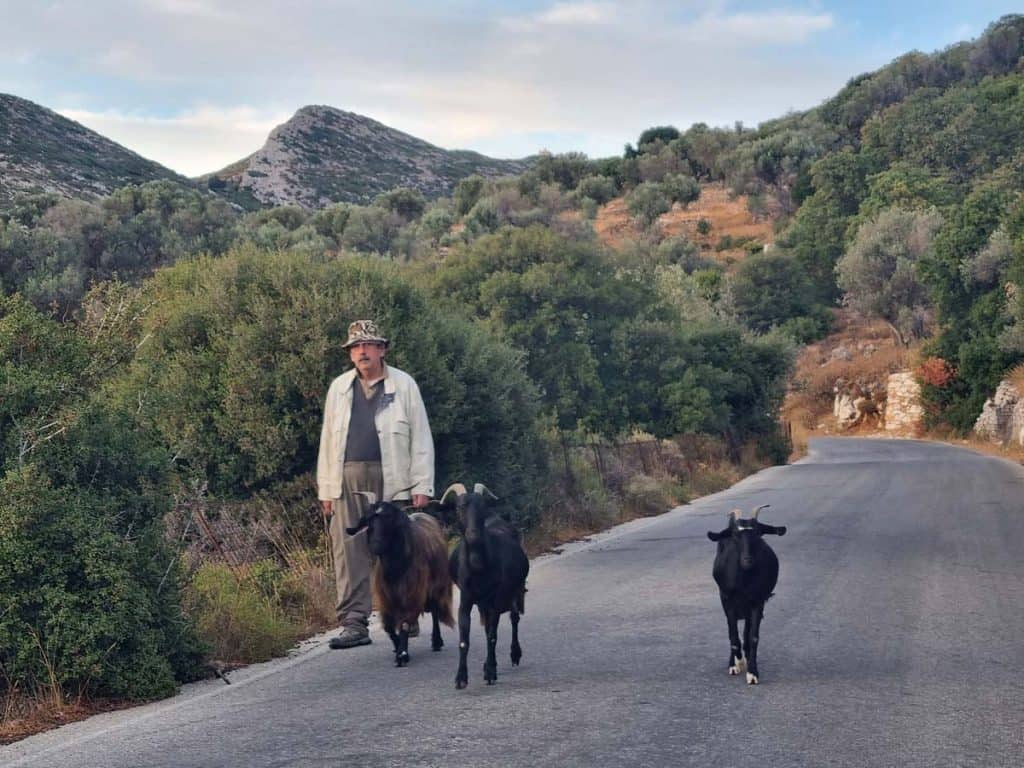
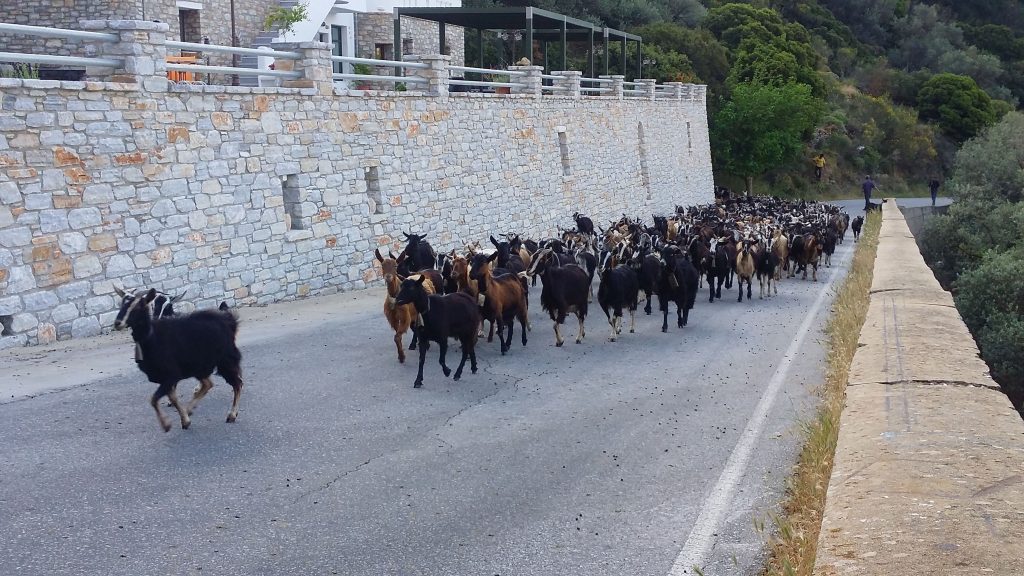
Life in Naxos remains deeply connected to the land. Many families continue to grow vegetables, raise animals, produce cheese, and harvest olive oil just as previous generations did. Small farms, village gardens, and seasonal harvests shape everyday life across the island.
This way of living naturally supports sustainability—food travels only short distances, ingredients are seasonal, and local knowledge guides farming and cooking traditions. The result is a cuisine deeply rooted in the landscape, where simple ingredients from the land become the foundation of Naxian gastronomy.
How Many Days in Naxos?
Naxos offers an incredible variety of experiences—from 148 km of coastline and secluded beaches to traditional villages, ancient ruins, lush valleys, and rugged mountains with scenic hiking trails.
Because the island is so large and diverse, it’s difficult to see everything in just a few days.
Many travelers initially plan a 2–3 day stay, but then discover that it isn’t enough to truly experience the island. Five to seven days allows you to explore the villages, beaches, historic sites, local cuisine, and the unique landscape at a relaxed pace.
Naxos is a diverse island full of surprises—offering something for every traveler.
The Central Advantage of ELaiolithos
ELaiolithos is perfectly located in the heart of Naxos, offering panoramic views and easy access to every part of the island. Positioned at a natural crossroads where roads lead east, west, and north, it allows guests to explore Naxos comfortably without long daily drives.
Within a short distance you can reach beaches, traditional villages, hiking trails, and historic landmarks across the island.
Some of the most beautiful villages of Naxos are just minutes away:
- Chalkio – 5 minutes
- Moni – 3 minutes
- Kaloxylos – 5 minutes
- Filoti – 8 minutes
- Damarionas – 6 minutes
- Apeiranthos – 15 minutes
- Koronos – 15 minutes
- Moutsouna (seaside village) – 25 minutes
From ELaiolithos you can easily enjoy mountains, villages, beaches, and authentic local experiences—all within a short drive.
Why Start Your Journey at ELaiolithos
Perched at 500 meters above sea level in the heart of Naxos, ELaiolithos offers a rare vantage point from which to explore the island.
From here, beaches, traditional villages, historic landmarks, and mountain landscapes are all within easy reach—allowing you to discover the many layers that make Naxos so unique.