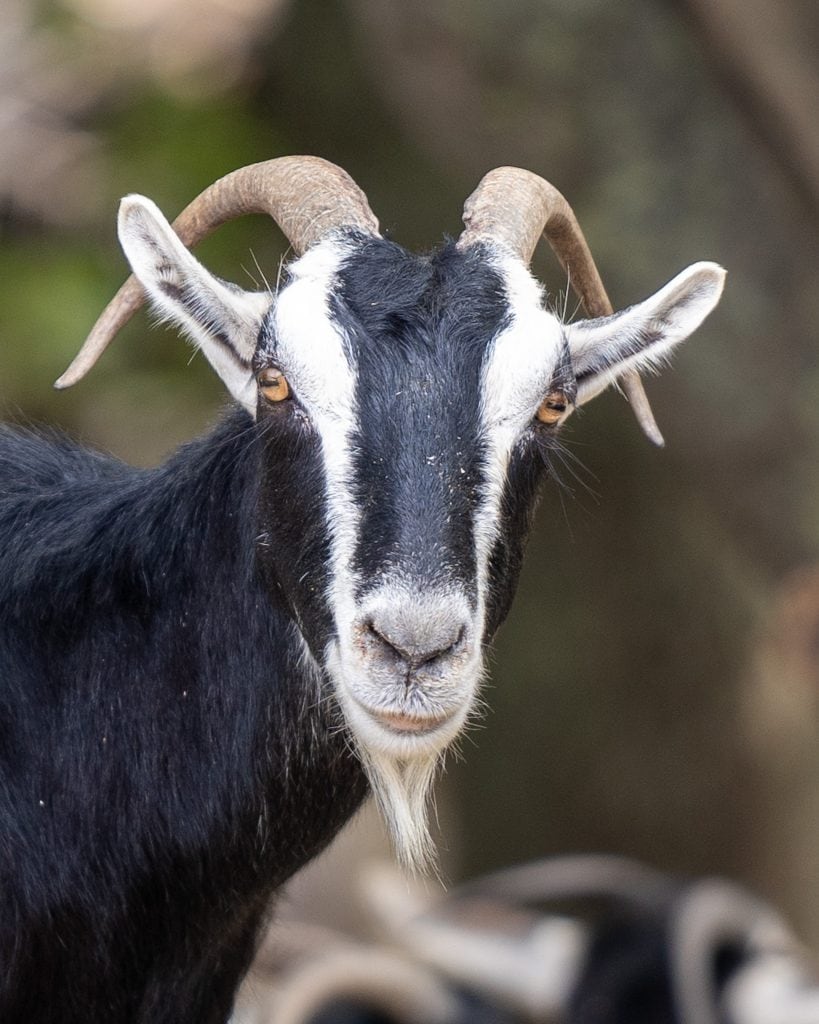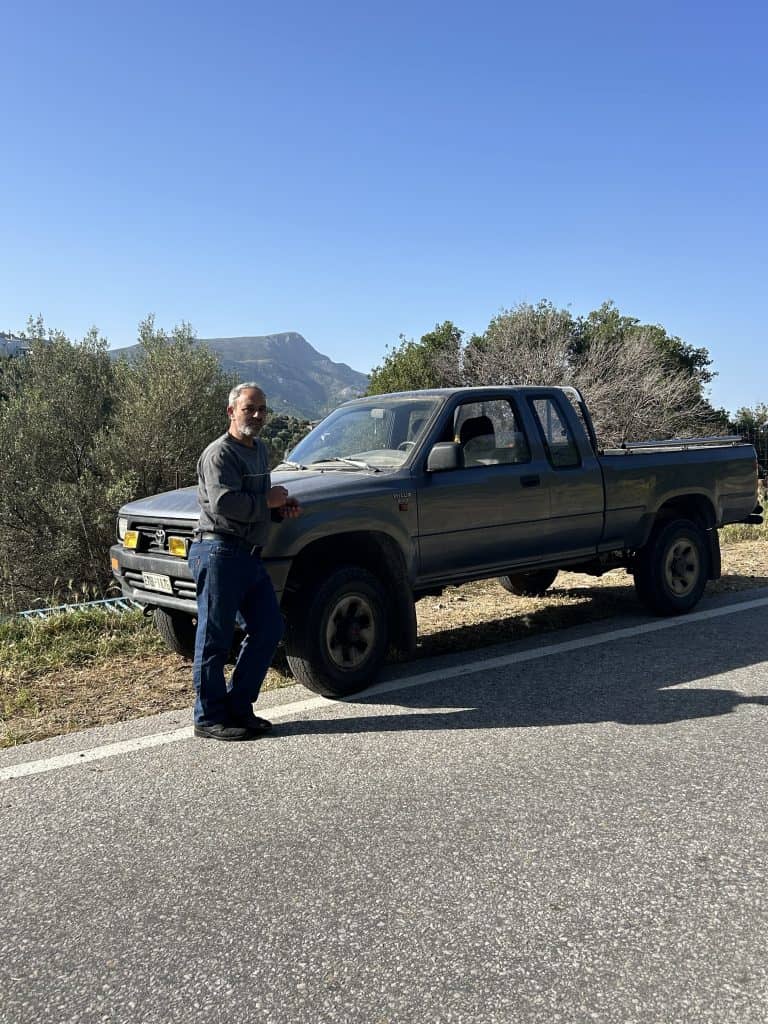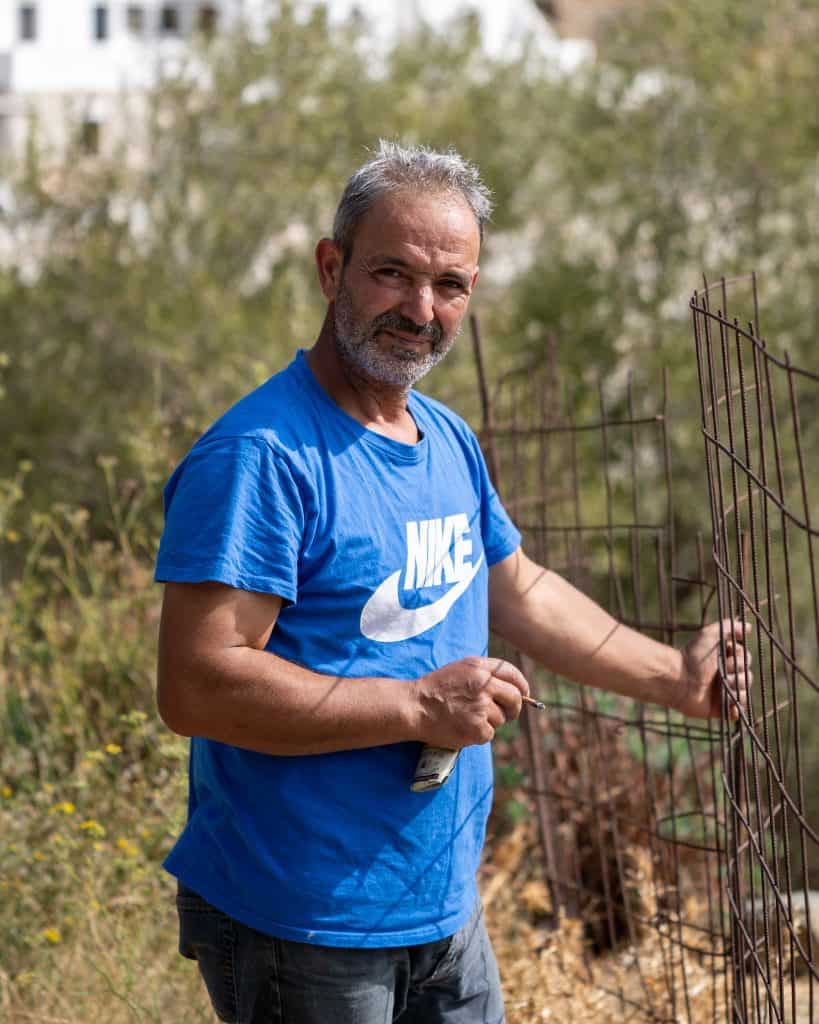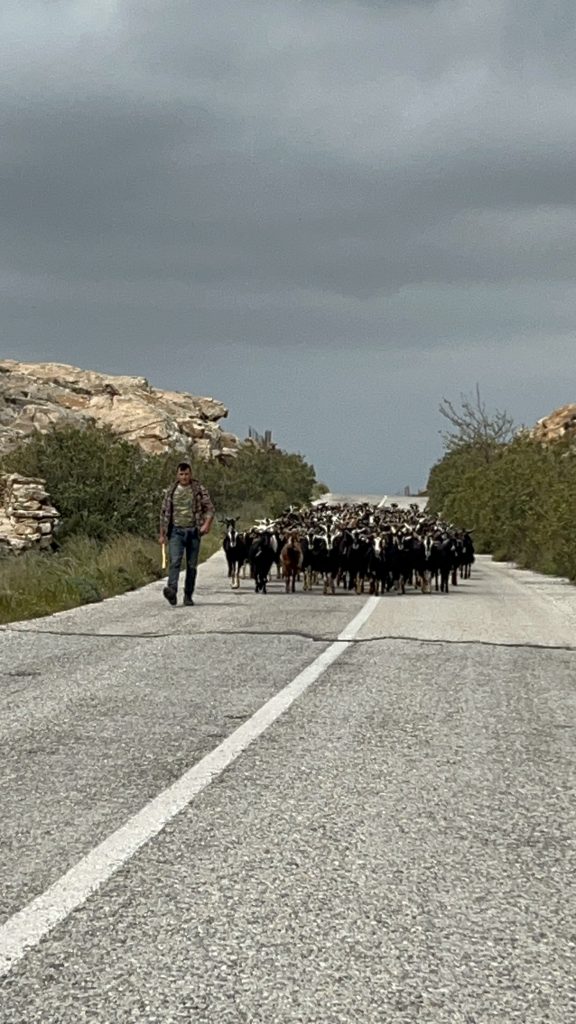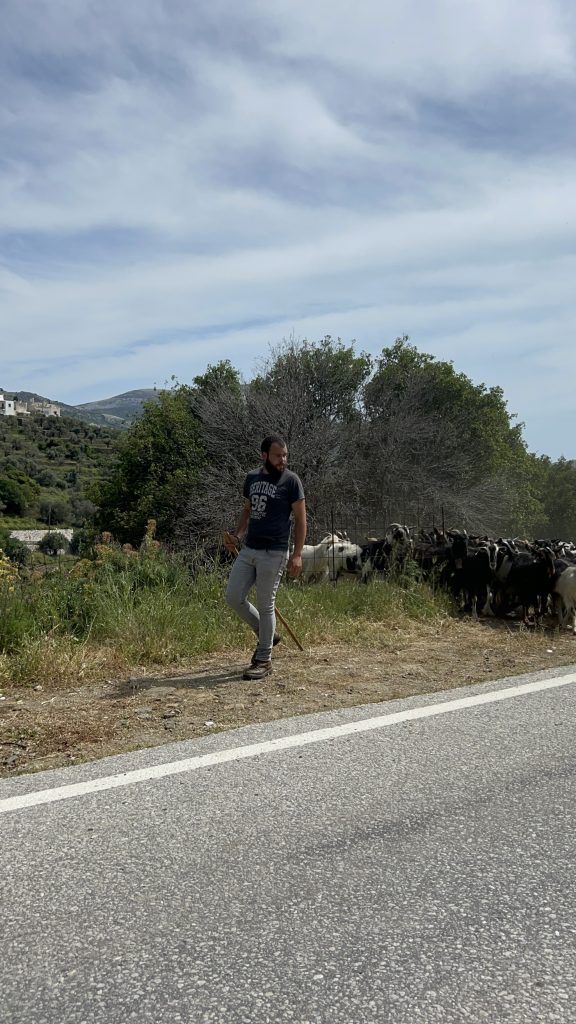


There is a kind of strength in the mountains of Naxos that cannot be learned in a gym, bought in a store, or performed for attention. It is built quietly over years of walking stone paths, waking before sunrise, carrying responsibility, and living closely with the land. It belongs to the shepherds of mountainous Naxos.
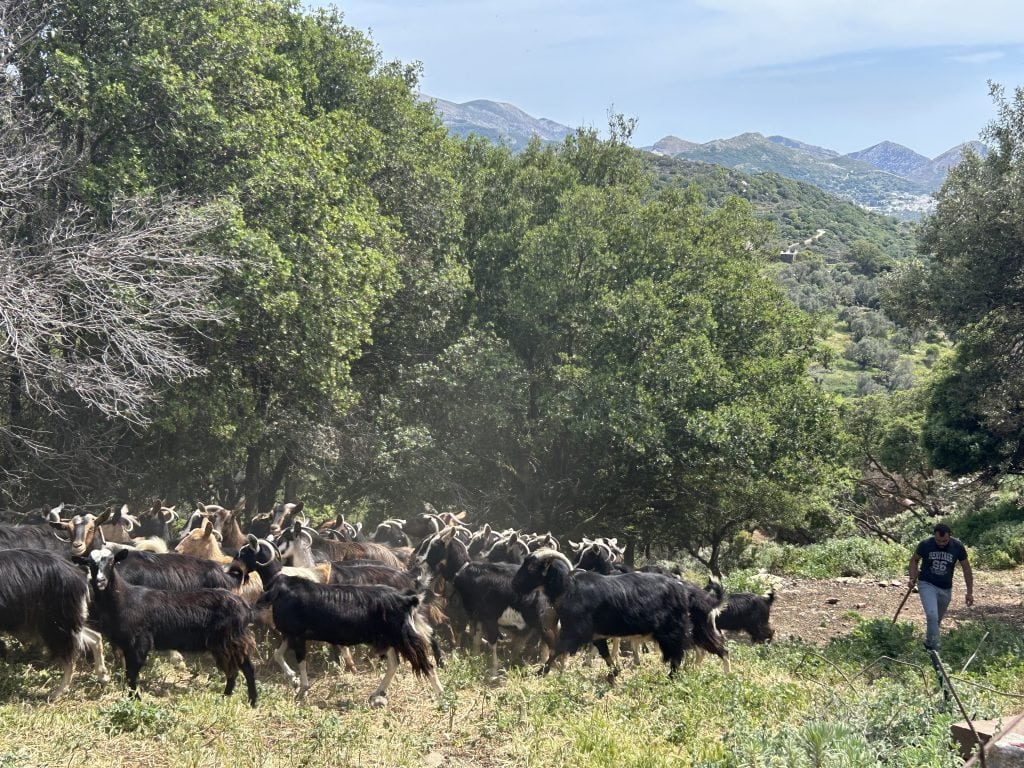
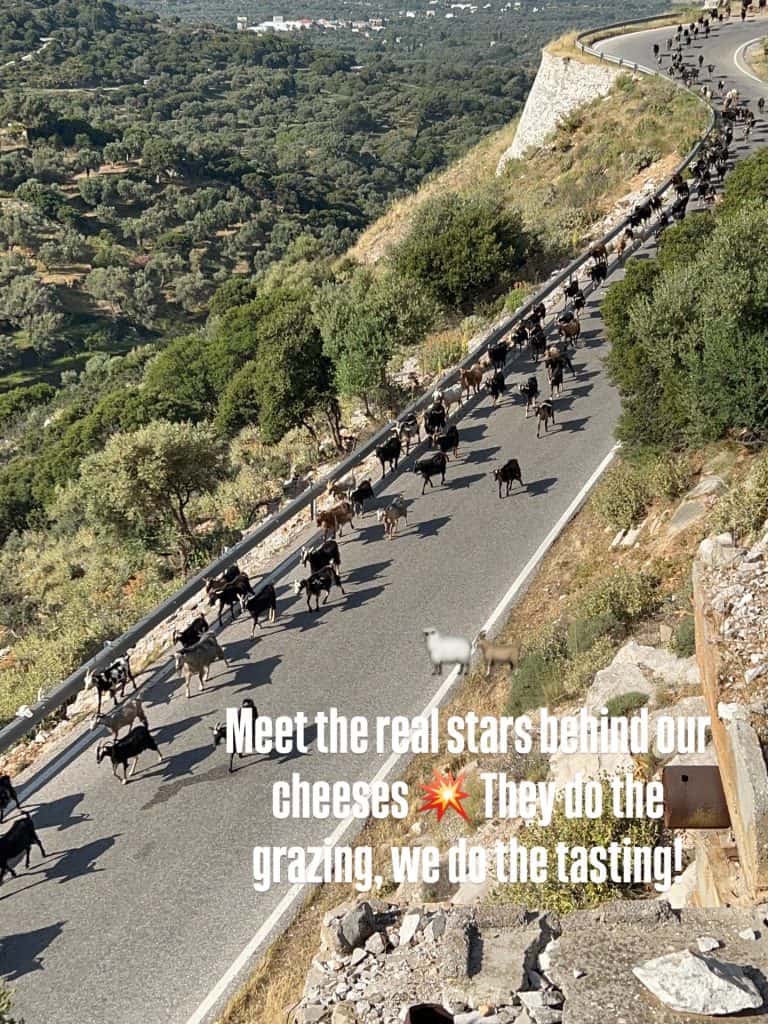
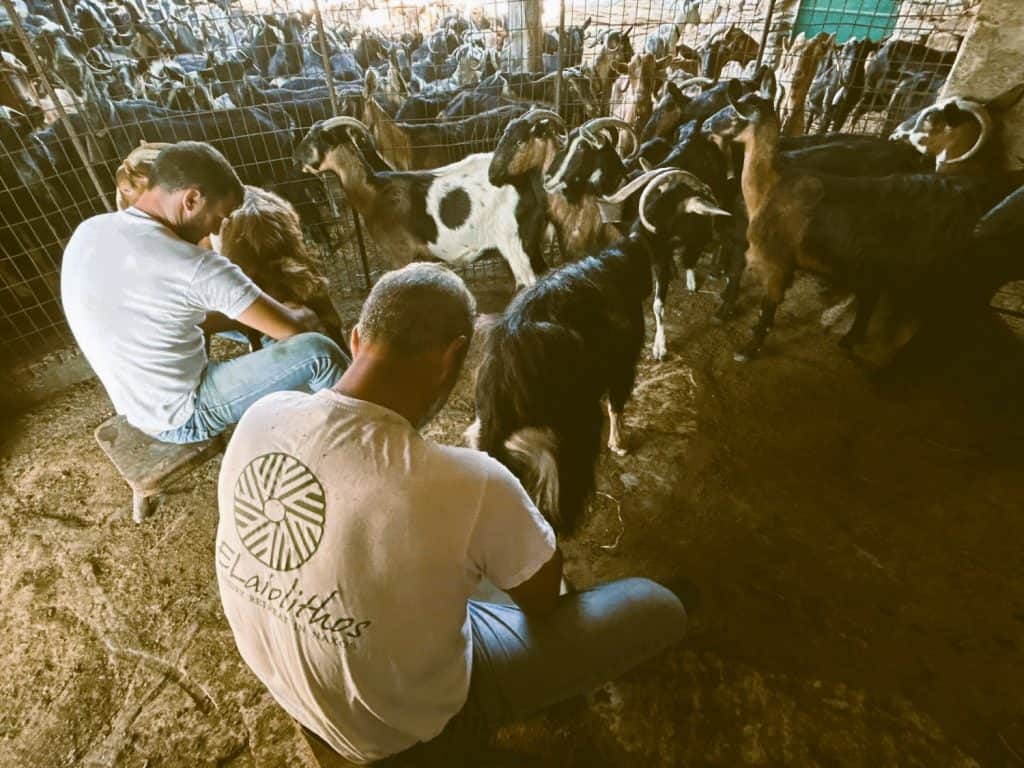
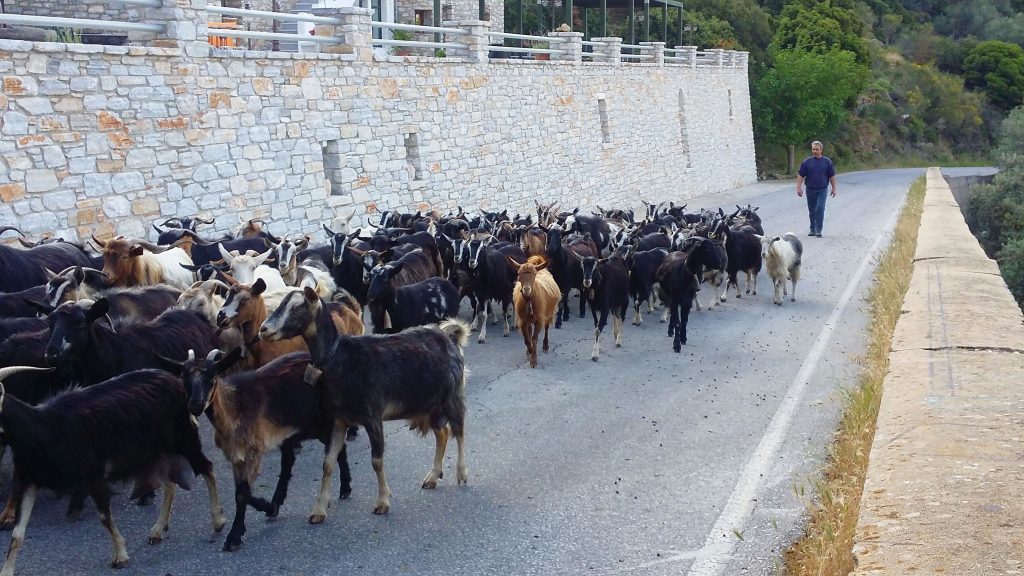
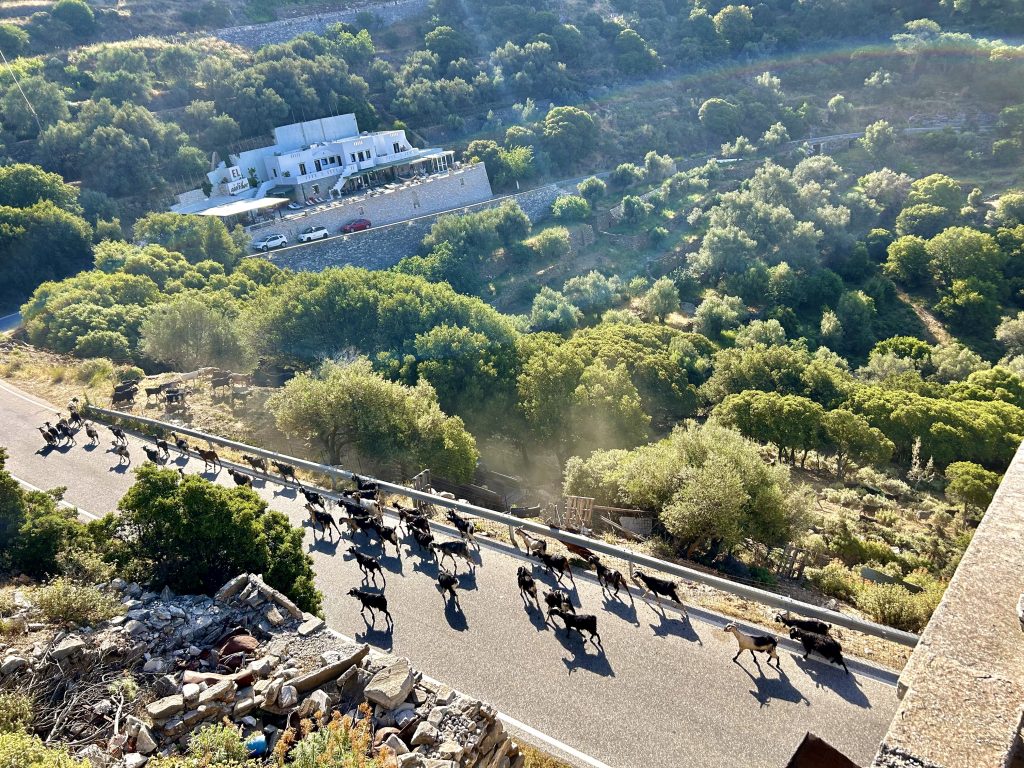
In the mountain villages of the island, while most people are still asleep, shepherds are already awake long before dawn. There are no weekends, no holidays, and rarely true rest. The goats and sheep must be fed, guided through the hills, protected, milked, and cared for every single day of the year. Under the burning summer sun, in winter winds, rain, and cold mountain mornings, they continue their work without pause.
Not for recognition. Not for appearance. Simply because this way of life has become part of who they are.
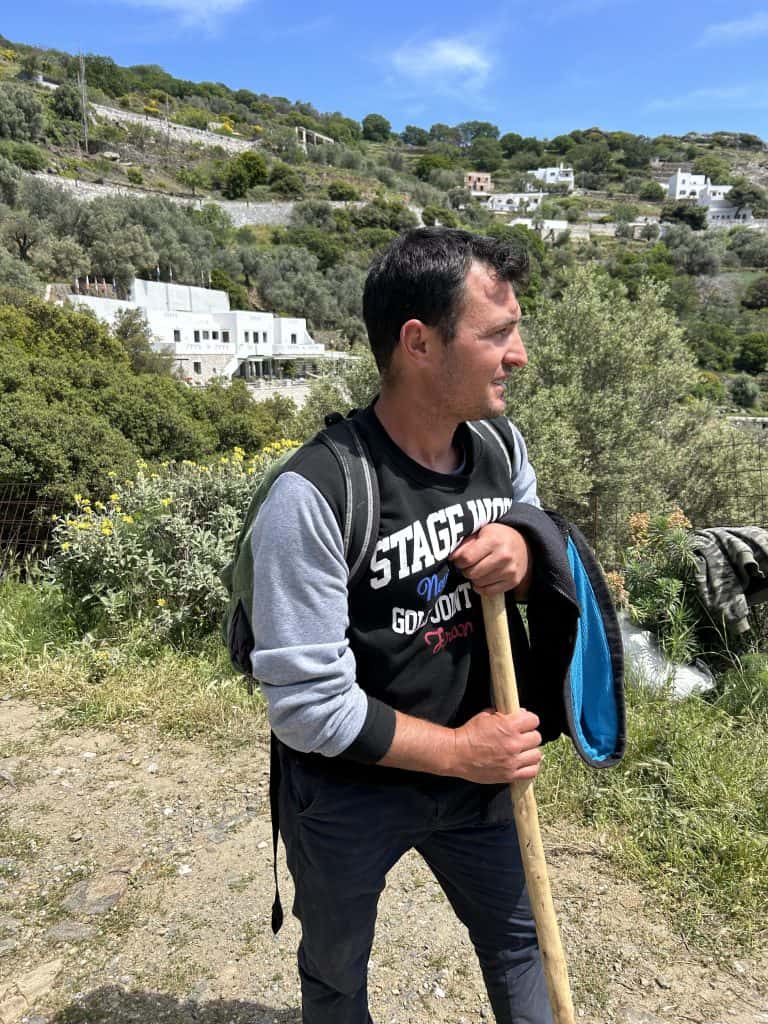
Watching them move through the mountains fills me with deep respect. They walk endless distances across steep landscapes with extraordinary balance and endurance. Their bodies are shaped naturally through movement and labor. Their hands carry the marks of patience, hard work, survival, and dedication.
Perhaps this is why I feel such a personal connection to them. Because once, I was a little shepherd too.
My father used to take me with him into the mountains until I was around sixteen years old. From a young age, I saw closely what this life truly meant: waking before sunrise, physical exhaustion, responsibility, silence, and the daily struggle within nature itself. The smells of the mountains, the sound of the bells across the valleys, the early morning air, and the feeling of walking among the animals remain deeply inside me even today.
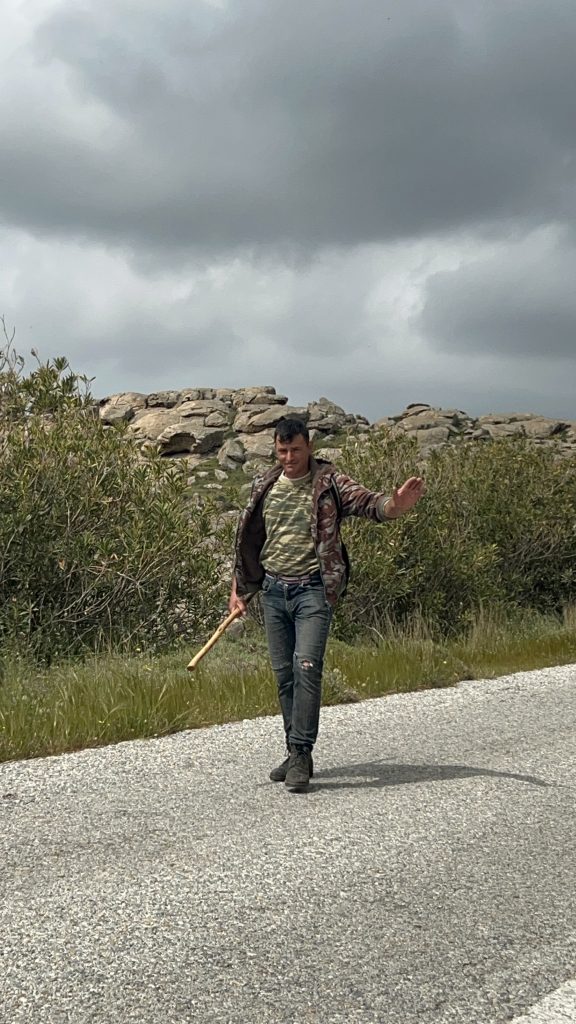
And yet, what amazes me most is not only their labor, but their spirit.
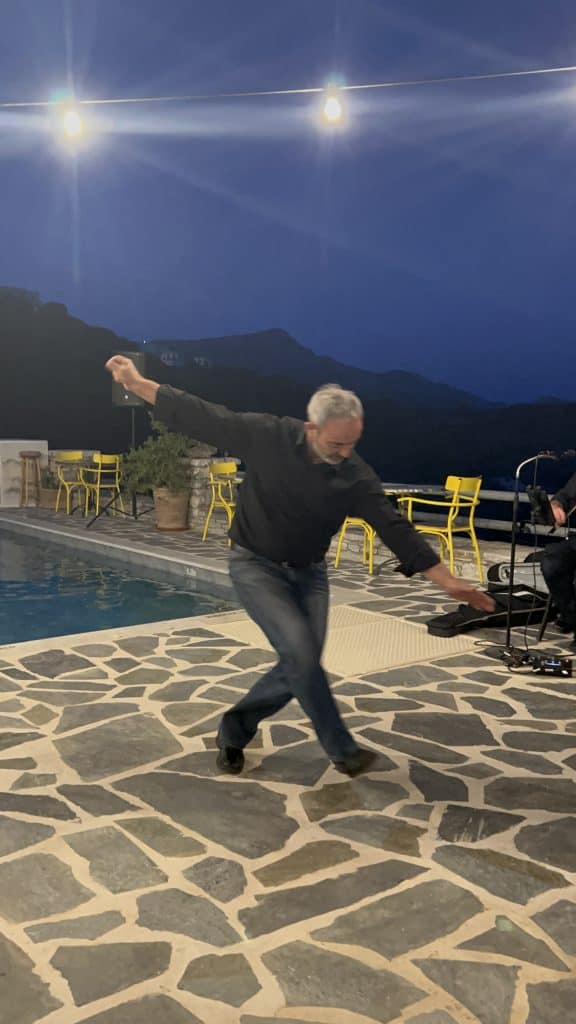
After endless hours of difficult work, these same shepherds gather at gatherings or village festivals and dance with an energy that feels almost unbelievable. They jump high, dance for hours with rhythm and strength, and move with a stamina rarely seen in modern life. There is pride in their dancing, but also freedom. Their strength is not only physical. It lives in their soul.
In a world increasingly disconnected from nature and from the real origin of food, the shepherds of Naxos continue to preserve something profoundly authentic. Their animals graze freely across the mountainsides, feeding on wild herbs, thyme, and native vegetation that shape the flavors of the island itself.
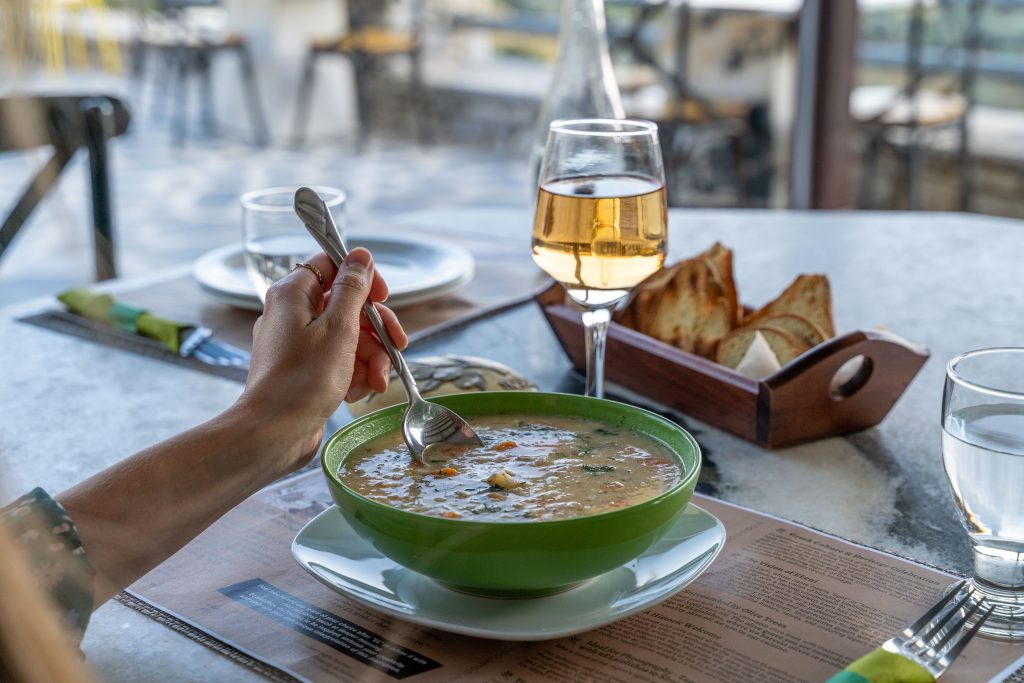
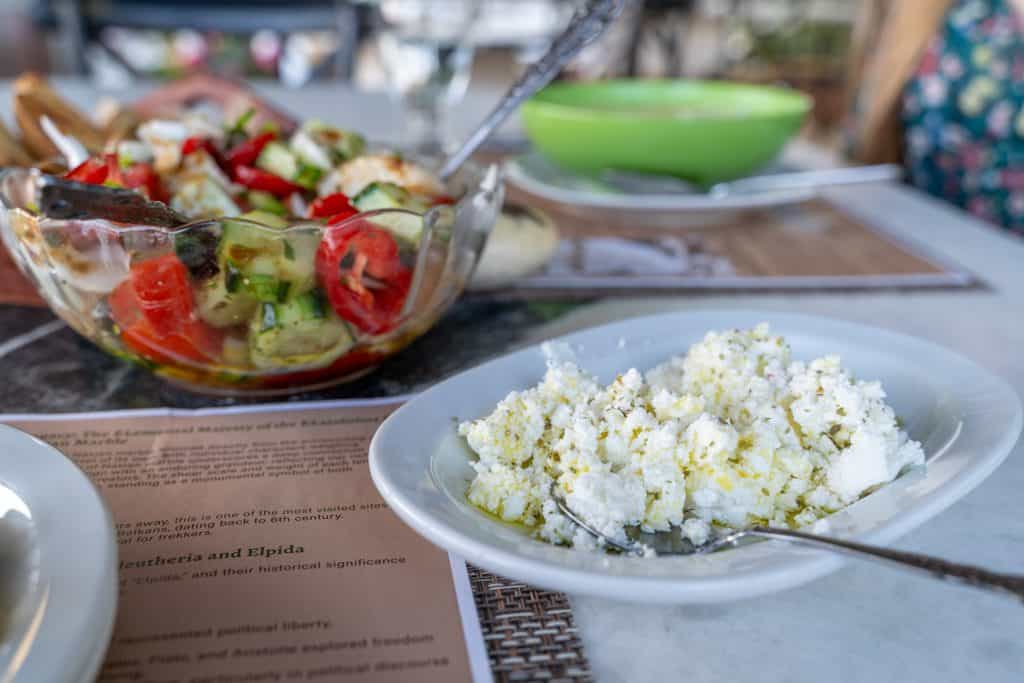
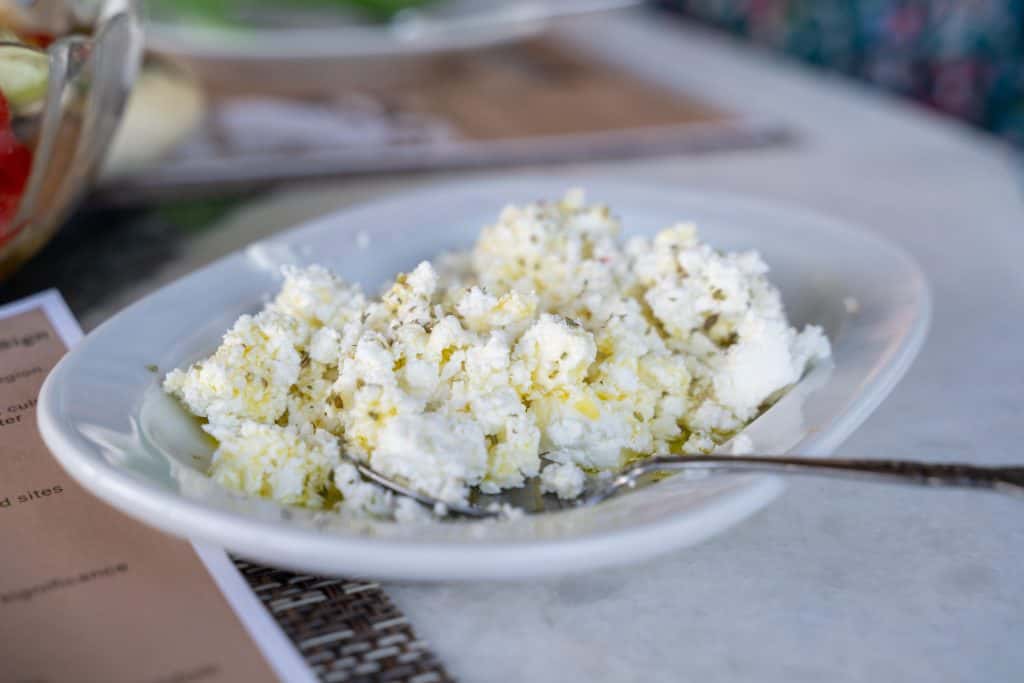
When you taste local Arseniko cheese, slow-cooked lamb, or traditional dishes of mountainous Naxos, you are tasting far more than food. You are tasting mountain air, generations of knowledge, physical endurance, daily devotion, and a relationship with the land that still survives against modern convenience.
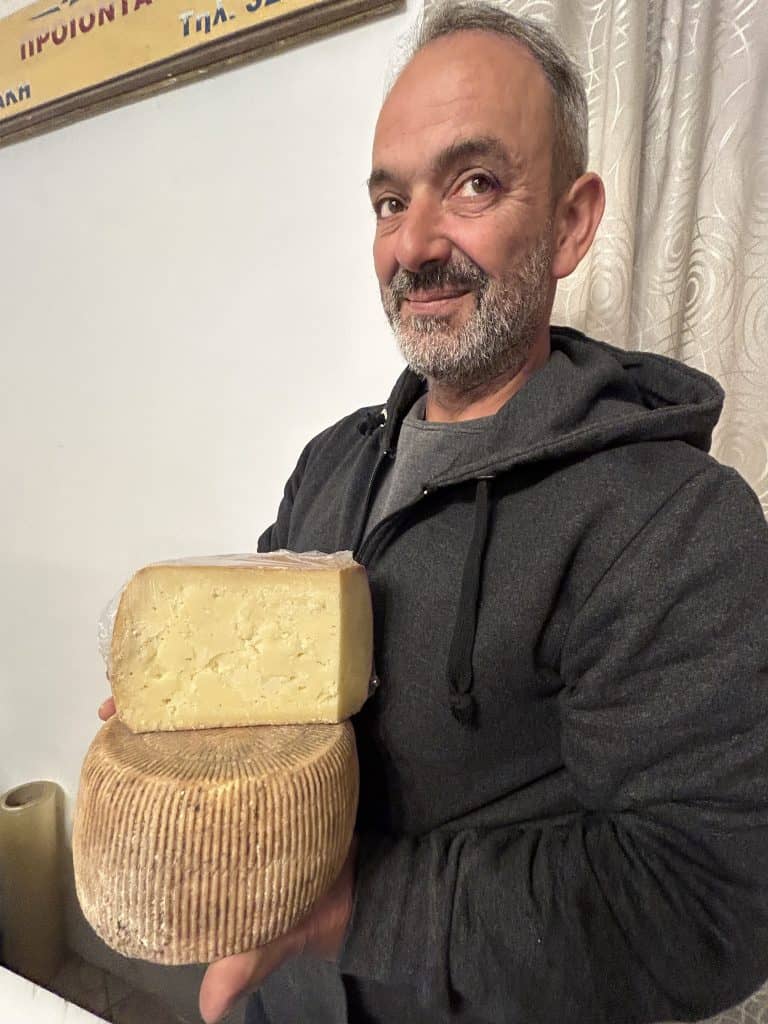
Life in mountainous Naxos remains different. Slower. More human. More real.
The villages still preserve traditions, festivals, family bonds, and a way of life that in many places has disappeared. Elderly people still sit outside their homes in the evenings. Bells echo through the valleys. Wood fires burn in winter. People share food naturally, speak simply, work hard, and remain deeply connected to the land and to one another.
In mountainous Naxos, authenticity is not created for tourism. It was always here.
Nothing feels staged. Nothing feels artificial. The beauty of this life comes from its truth.
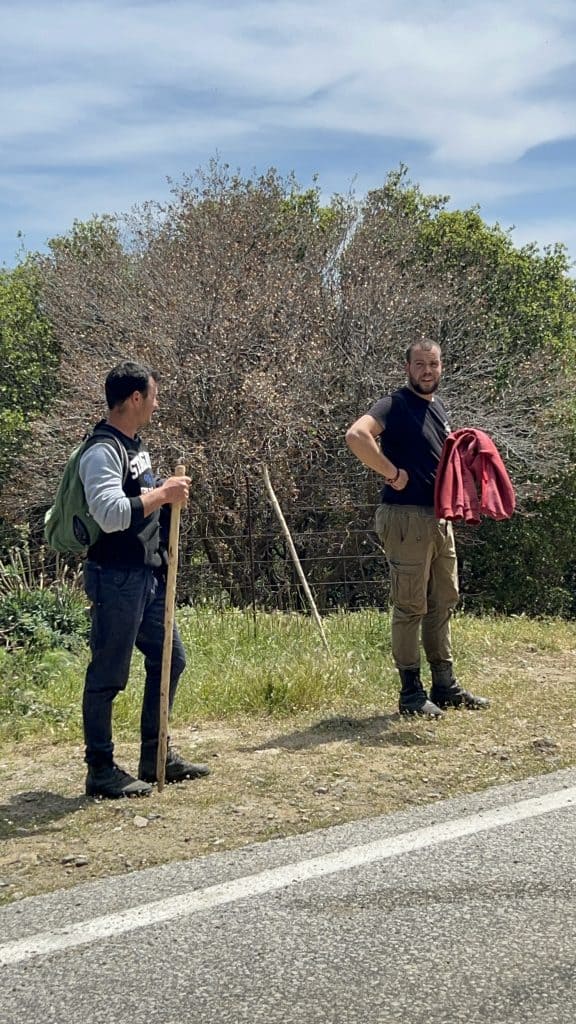
I carry immense respect and admiration for these people. I recognize their struggle, their strength, and their daily effort. I deeply respect and admire them. After all, my own father was a shepherd, and today my brother continues the same path, keeping alive this difficult yet deeply meaningful way of life in the mountains of Naxos.
This is more than a profession. It is a living tribute to the authentic spirit of shepherd life in mountainous Naxos — a deeply rooted part of the island’s folk culture that deserves our respect, protection, and preservation as one of the most precious treasures of Naxos itself.
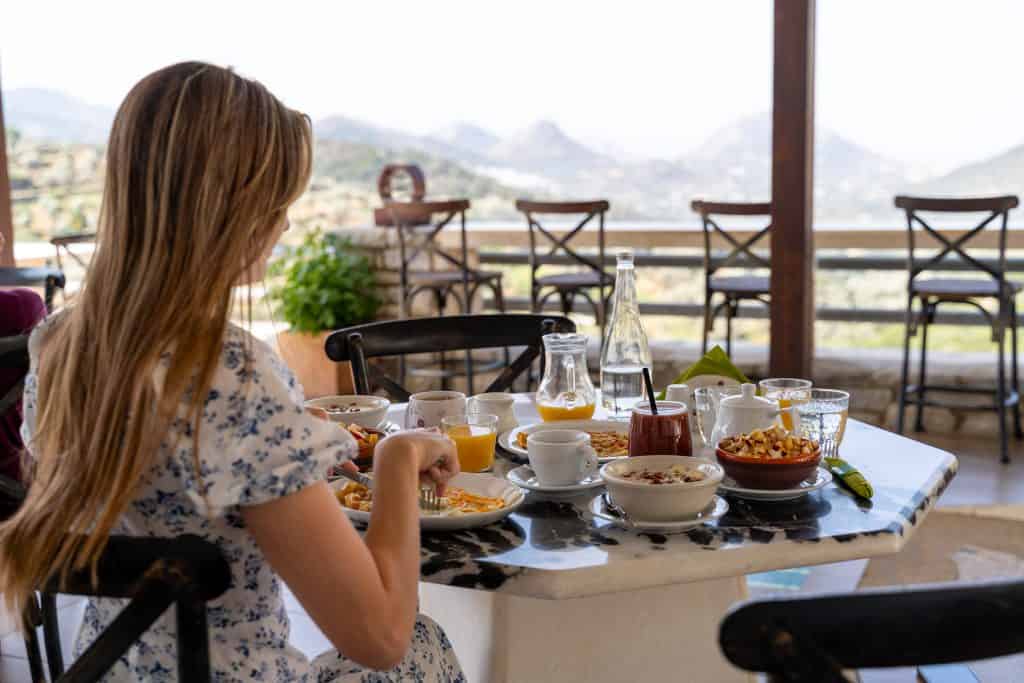
At ELaiolithos, these traditions and flavors remain deeply connected to the experience we share with travelers visiting mountainous Naxos.
What does “hyper-local” truly mean to us at ELaiolithos?
Today, the word “local” has become a trend. Many places use it loosely. For us, there is no simply “local” – there is hyper-local, something far deeper.
It means the olive oil comes from the grove below our property. The herbs grow on the surrounding hills of mountainous Naxos. The cheeses come from local shepherd families. The recipes are inspired by generations of Naxian tradition and the people who still live connected to the land.
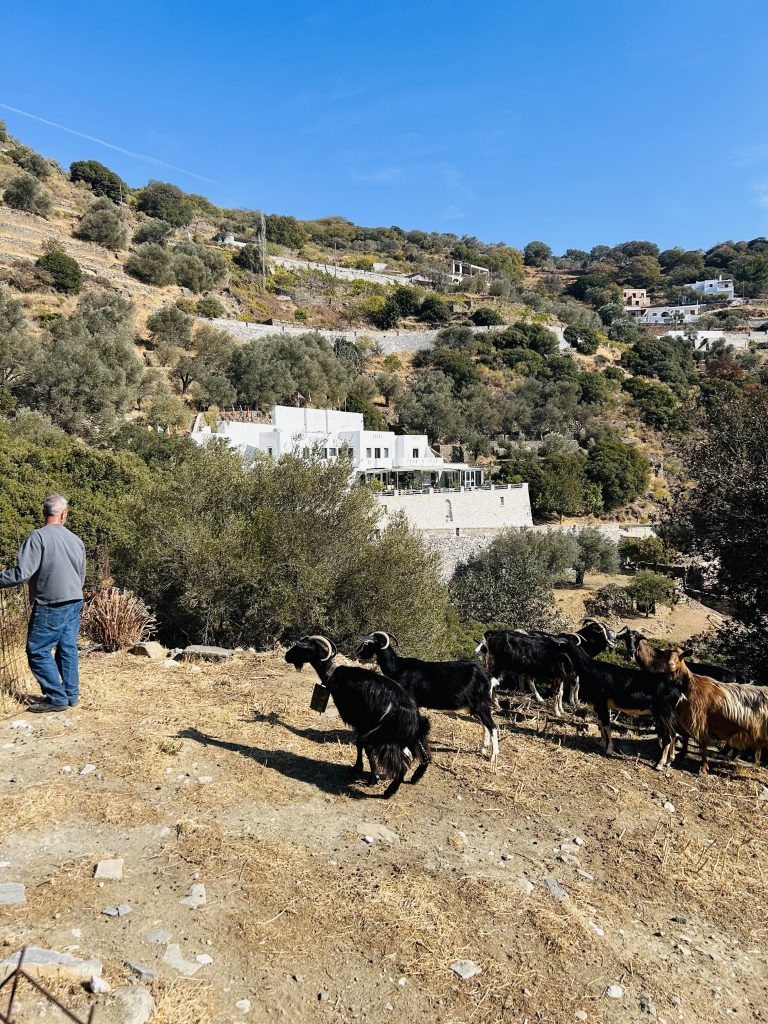
It means knowing the producer personally. Knowing where the milk came from, seeing from your table the goats it came from, knowing where the vegetables were grown, seeing the olive trees that provide the olives you taste, and knowing whose hands made the cheese and wine placed before you.
It also means creating a true circular economy – sharing leftovers with local farmers in exchange for fresh produce and eggs, keeping everything connected to the people and land surrounding us.
At ELaiolithos, hyper-local is not a trend or a marketing phrase. It is a philosophy of life rooted in authenticity, respect for the people of mountainous Naxos, and a deep connection to place.
In a world full of copied experiences, we believe real luxury is knowing exactly where your food, your story,